REVIEW · INVERNESS
From Inverness: 3-Day Isle of Skye & Jacobite Steam Train
Book on GetYourGuide →Operated by Highland Explorer Tours · Bookable on GetYourGuide
Steam, sea, and cliff views in three days. I love the Jacobite Steam Train ride and the way this trip saves daylight for Skye’s Trotternish Peninsula cliffs; the only real snag is the train service can change in April–October and a coach stop for the Viaduct isn’t guaranteed.
In a small group (up to 16), you move in comfort on a Mercedes-Benz mini-coach, and you sleep two nights in a 3-star B&B with full Scottish breakfasts. Guides such as Harrison, Amber, and Dougie have been praised for smart history, funny stories, and Skye folklore that makes the stops feel personal.
In This Review
- Quick reasons this Skye + Jacobite trip earns top marks
- The route starts in Inverness, then hits Loch Ness with drama
- Jacobite Steam Train: why the Fort William–Mallaig leg is the star
- Ferry to Skye, then Portree for the night: a smart change of pace
- Day 2 on Skye: Fairy Pools, folklore, and the Trotternish cliffs
- Clava Cairns and Culloden: day 3’s history stops aren’t just photo ops
- Whisky at Glen Ord: tasting with a real Scotland angle
- Mercedes coach, small group size, and the pace you should plan for
- Is $747 per person good value for Skye plus the Jacobite train?
- What you need to know before you go
- Should you book the 3-Day Isle of Skye & Jacobite Steam Train from Inverness?
- FAQ
- Where does the tour start in Inverness?
- How big is the group?
- How long is the tour?
- What’s included in the price?
- Are entrance fees included?
- When does the Jacobite Steam Train run?
Quick reasons this Skye + Jacobite trip earns top marks
- Fort William to Mallaig by steam: classic West Highland Line views built for photos and fresh air.
- Trotternish day on Skye: Quiraing, Kilt Rock, Mealt Waterfall, and Old Man of Storr in one tight plan.
- Portree as a base: one night’s cozy B&B stay puts you close to the island’s best evening atmosphere.
- Glen Ord whisky tasting with context: you taste while your guide explains what you’re actually experiencing.
- Outlander-style standing stones, plus real battle history: Clava Cairns and Culloden keep the story grounded.
The route starts in Inverness, then hits Loch Ness with drama
This tour begins in Inverness at 15 Union St, with you meeting 15 minutes early by the Victorian Market entrance across the road. If you spot a bus in blue or yellow, you’re in the right place. From there, the first stretch is all about atmosphere.
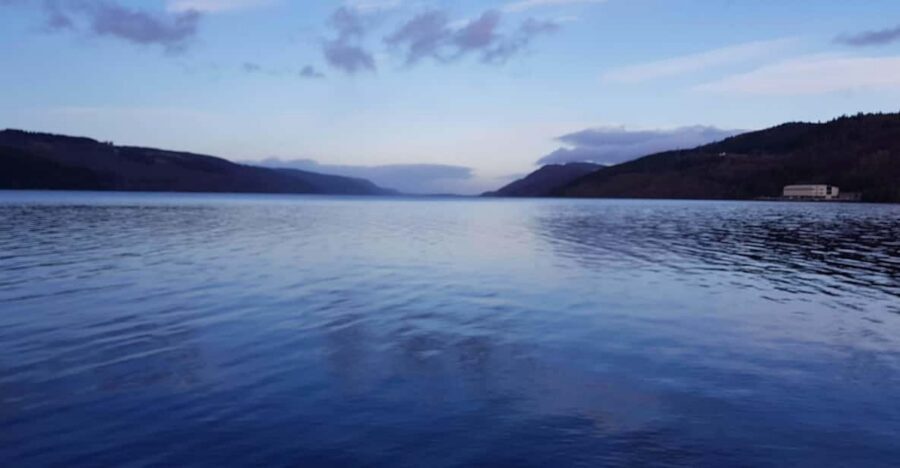
You’ll head toward Loch Ness early, with a view of Urquhart Castle—not restored and touristy, but derelict. That matters. Derelict ruins have weight. They look like they’ve been waiting rather than performing. Next up is the Commando Memorial, built for the men of the original British Commando Forces who died in World War II. It’s one of those stops that gives you perspective when the day already has big nature scenes lined up.
From Loch Ness, the day continues toward Fort William, where you’re positioned to start the train portion. The pacing is practical: you’re not bouncing around too late into the evening, so the big-ticket scenery hits while you still feel alert.
Other Isle of Skye tours from Inverness


Jacobite Steam Train: why the Fort William–Mallaig leg is the star
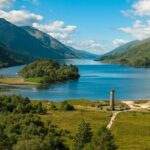
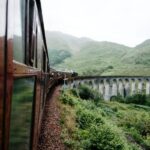
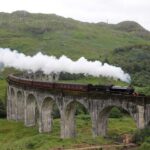
Once you board at Fort William, you ride the Jacobite Steam Train along the West Highland Line between Fort William and Mallaig. This is the classic stretch people picture when they think Scotland by rail—long views, coastal air, and that slow sense of travel where the scenery keeps changing.
You also pass by beaches including Arisaig and Morar, which is a nice bonus because it breaks up the typical “highlands only” feeling. If you’re serious about photos, this is the kind of route where you’ll keep wanting to change angles. Even if the weather is moody, the lighting and texture still make for strong images.
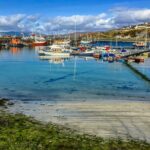
A small detail that helps: the schedule gives you the chance to finish at Mallaig and pick lunch there. Fish and chips are popular, and having a straightforward option nearby is useful because you don’t want a long sit-down meal to steal time from Skye.
Practical note: the Jacobite service runs April–October, and it can face short-notice alterations or cancellations out of the operator’s control. If your trip is in that season, it’s worth building a little flexibility in your plans.
Ferry to Skye, then Portree for the night: a smart change of pace
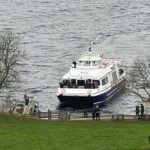
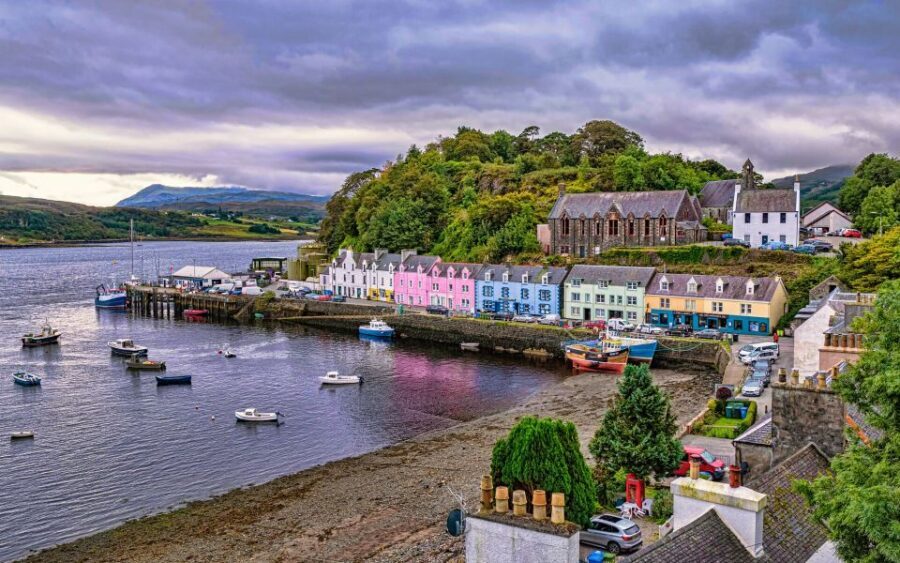
After the steam train, you travel by coach onward to Skye. Part of the value here is that you don’t just “see Skye,” you change settings in a way that feels like a real journey: train day to ferry to the Isle of Skye, then coach to your base at Portree.
Your accommodation is two nights in a 3-star B&B with full Scottish breakfasts. You’re not paying extra to sleep in the most expensive room on the island, but you’re still getting comfort and a proper start to each day. And Portree works well because you can enjoy the island without constantly packing and unpacking.
You’ll also move with a local tour guide, plus downloadable audio guides to keep things moving when you want extra context. The small group size (up to 16) is another real advantage: you spend less time waiting and more time actually looking out the window.
Day 2 on Skye: Fairy Pools, folklore, and the Trotternish cliffs
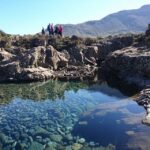
Day 2 is where the trip’s wow-factor really earns its keep. You start with the Fairy Pools, and then you’re guided through Skye’s folklore, which helps the island feel more than just rocks and views. Stories can be corny when they’re forced, but when they come from a guide who links them to what you’re seeing, it clicks.
Next you’ll hit Dunvegan village, a classic stop that gives you a sense of island life rather than only dramatic scenery. After that, the route turns strongly toward the Trotternish Peninsula, and the sights become almost cinematic.
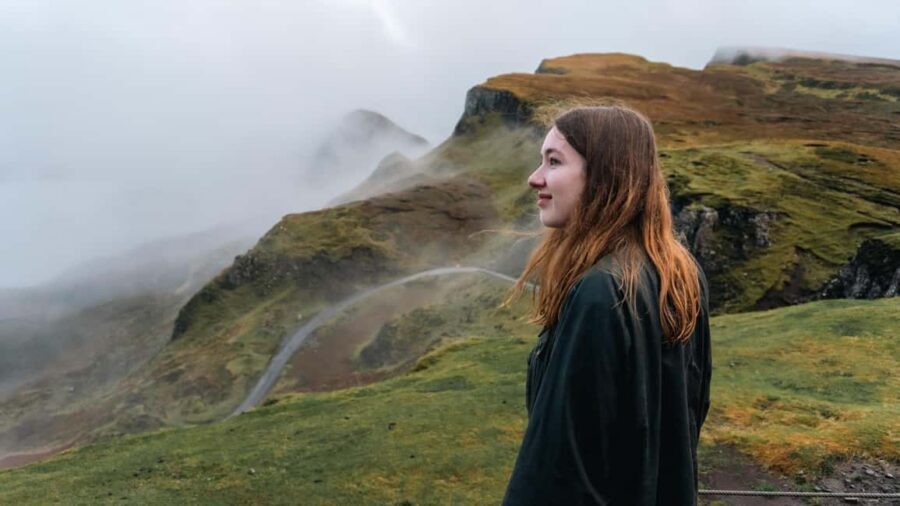
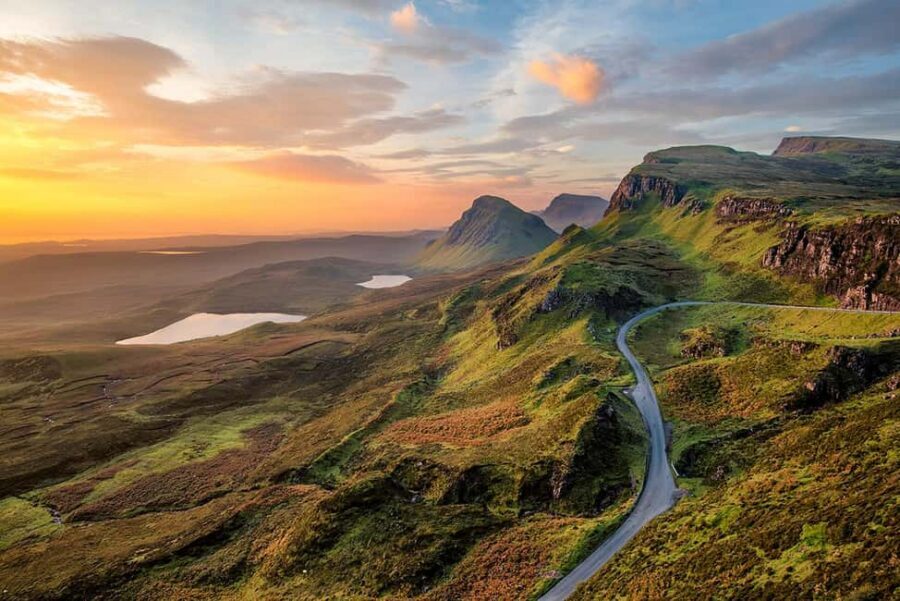
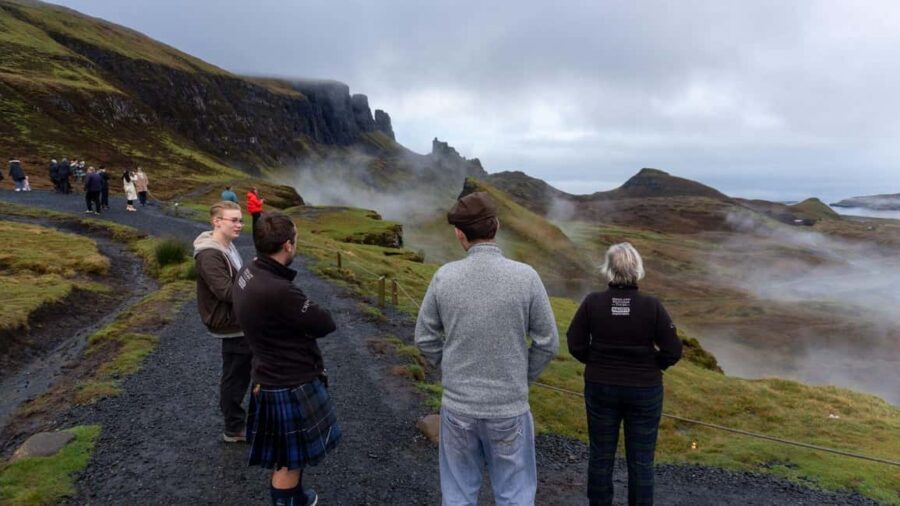
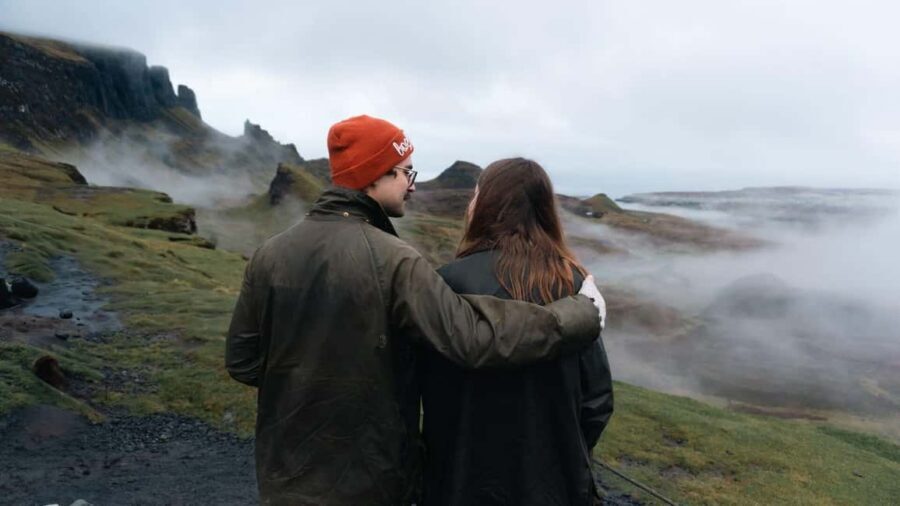
Quiraing is one of those places where the land itself looks rearranged. It’s a landslip, which means the cliffs and paths have a kind of accidental geometry. You don’t need a geology degree to understand it—the shape does the teaching.
Then comes Kilt Rock, a cliff formation that really does resemble a kilt. It’s the kind of stop that makes you laugh a little as you stare, then you look again and realize the joke is actually impressive.
You’ll also see Mealt Waterfall, where water runs down and into the ocean. That combo—fresh water meeting the sea—always looks sharper on the coast, and it’s a memorable contrast against the green and stone.
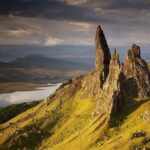
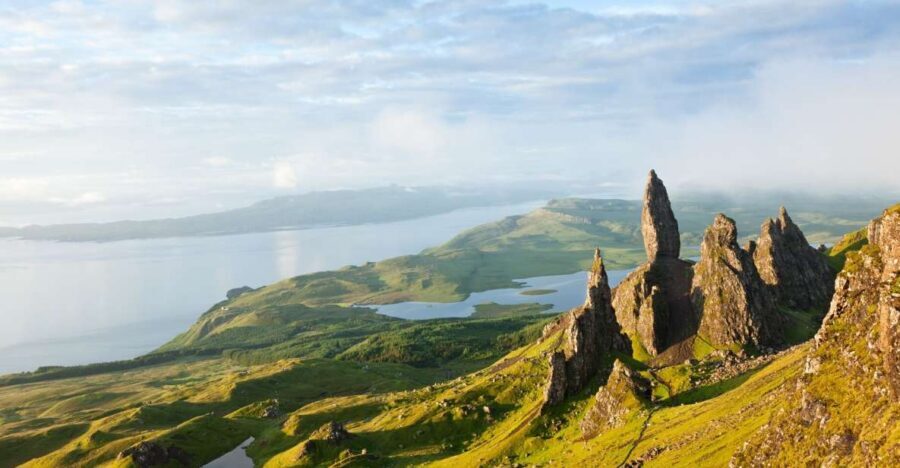
Finally, you’ll visit the Old Man of Storr. The steep rocky pinnacles dotted along green hills are the signature view many people come for. The best strategy here is simple: don’t sprint. Pause for a few angles, then walk slowly. The cliffs reward patience, not speed.
If your guide is Harrison, Amber, or Dougie, you’re likely to get extra story texture here. Multiple guides have been noted for wit, humor, and folklore delivery that makes these stops feel like you’re on a guided hike with a friend—not just a checklist.
Clava Cairns and Culloden: day 3’s history stops aren’t just photo ops
On day 3 you start traveling from Portree back toward Inverness, but the itinerary doesn’t rush straight to the car-to-airport vibe. It builds history into the route so the day feels meaningful even when the weather turns.
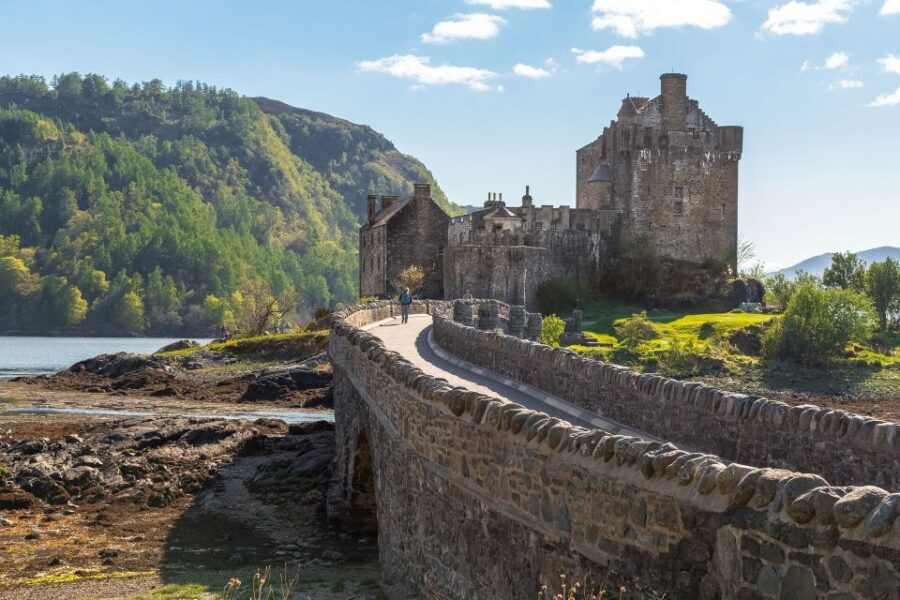
One key stop is Eilean Donan Castle. It’s one of Scotland’s most photographed castles, and yes—it looks like a postcard. The good part about stopping here is timing and context: you see it on the way through rather than after a long day of other crowded sites.
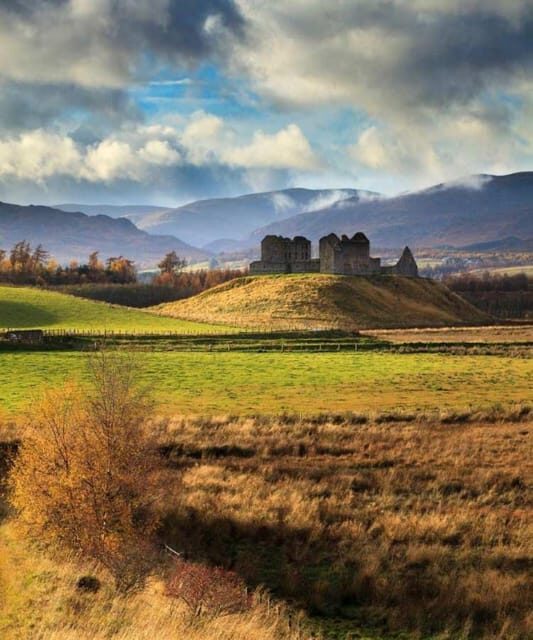
Then you head to Beauly, with time to explore Beauly Priory, a derelict monastic site dating back to the 13th century. Derelict religious sites feel different than restored ones. The gaps in the structure make you picture how life was organized back then, even if you can’t read every stone. It’s a quiet kind of stop, and that’s a nice break after Skye’s intensity.
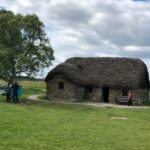
After Beauly, the tour turns to Scotland’s more recent storm: Culloden Battlefield, the site of the final Jacobite Uprising in 1746. This isn’t a museum lesson; it’s a place. You can feel why it mattered from the way the ground is set up. It’s a strong contrast to the earlier cliff-and-ocean mood.
Then comes the Clava Cairns, a bronze age burial site with standing stones. These are the kind of monuments that help you understand Scotland’s long timeline. They’re also one of the inspirations behind Outlander, so if you’re a fan, you’ll likely spot why the show leaned into these visuals.
The day ends back in Inverness early evening, so you’re not stuck out late when you still want energy for dinner.
Other Glenfinnan and Jacobite Steam Train tours from Inverness


Whisky at Glen Ord: tasting with a real Scotland angle
Not every tour includes whisky beyond a quick souvenir stop. Here, you get a Highland whisky experience at Glen Ord, with the option to taste while your guide explains how it’s made and talks through Scotland’s whisky story.
This is valuable because whisky tasting is easy to do wrong. If you’re only sipping, you won’t know what you’re looking for. But with a guide speaking through the process, you start noticing how the flavor builds and changes. Even if you don’t buy a bottle, you’ll leave with a better sense of what makes a dram taste the way it does.
It’s also a nice way to close the day after Culloden and Clava Cairns. The trip shifts from monuments and battles to craft and tradition—same country, different flavor.
Mercedes coach, small group size, and the pace you should plan for
The tour is built around a Mercedes-Benz mini-coach and guided stops. That means fewer long walks between far-flung sights compared with an independent road trip plan, and it’s a big deal in the Scottish Highlands where timing matters.
The group limit (up to 16 participants) also affects your day. Smaller groups usually mean:
- faster movement at stops
- more chance to hear your guide clearly
- fewer moments where you’re stuck waiting for someone to catch up
You should still plan for real driving days and real weather. Skye especially can shift conditions quickly. Bring a jacket and expect that the best viewpoints might require short walks on uneven ground.
Also keep the luggage rule in mind: you’re allowed one suitcase up to 33 pounds (15 kg) plus one carry-on bag. If you travel with a lot of gear, you’ll want to pack light enough that you can manage it without stress.
Is $747 per person good value for Skye plus the Jacobite train?
At $747 per person, this isn’t a budget trip. It’s closer to “save up and do the highlight thing right” territory. The question is whether what you get would cost more if you planned it yourself.
Here’s what’s included that usually drives cost up on independent trips:
- Jacobite Steam Train tickets
- ferry to the Isle of Skye
- 3 full-day excursions by Mercedes mini-coach
- 2 nights in a 3-star B&B with full Scottish breakfasts
- local tour guide and downloadable audio guides
- whisky tasting at Glen Ord
What’s not included: entrance fees and additional food and drink. That means your final spending won’t be only the tour price. Still, the big-ticket items that are hard to coordinate—especially the steam train—are already wrapped into the plan.
For me, the value makes sense if you want a packed itinerary without the hassle of booking transport, timing, and transfers across Inverness, Fort William, Mallaig, Skye, and back. If you’re the kind of traveler who thrives on driving your own route and changing plans daily, you could do something similar on your own. But if you’d rather show up and let the schedule do the heavy lifting, this price lines up well with what you’re actually getting.
What you need to know before you go
You’ll want passport or ID for travel. Travel insurance is recommended, especially because the Jacobite train runs only April–October and may face short-notice operational changes.
A couple route notes that matter for expectations:
- The order of stops can change.
- A coach stop at Glenfinnan to see the Viaduct depends on availability.
- The itinerary is timed tightly enough that you’ll feel the value of being on time—meeting 15 minutes early helps a lot.
If you’re traveling with accessibility needs, the information available notes that collapsible wheelchairs with removable wheels can be accommodated when assisted by someone who can help with boarding and disembarking.
Should you book the 3-Day Isle of Skye & Jacobite Steam Train from Inverness?
Book it if you want a well-organized Highlands trip that hits two big dreams in one go: Skye’s Trotternish cliffs and the Jacobite Steam Train. It’s also a great fit for couples, first-timers to Scotland, and anyone who loves guides who bring history plus storytelling. The strongest praise for Harrison, Amber, and Dougie centers on clear explanations, humor, and going beyond the basics with small added touches.
Skip it (or at least reconsider) if you’re the type who hates tight sequencing or you need guaranteed rail timings regardless of seasonal operations. Since the train service can change and the Glenfinnan viewing isn’t always possible, you’ll want to be flexible.
If you can handle a packed three days and you’d rather spend your energy on views than planning, this is a solid way to experience the Highlands the way most people come to Scotland hoping they will.
FAQ
Where does the tour start in Inverness?
The tour starts at 15 Union St. You meet 15 minutes before departure across the Victorian Market entrance, and you should look for a blue or yellow bus.
How big is the group?
The group is limited to a maximum of 16 participants, with a live English-speaking tour guide.
How long is the tour?
It’s a 3-day experience.
What’s included in the price?
Included items are the Mercedes-Benz mini-coach excursions, 2 nights in a 3-star B&B with full Scottish breakfasts, Jacobite Steam Train tickets, a ferry from the Isle of Skye, a local tour guide, and downloadable audio guides.
Are entrance fees included?
No. Entrance fees are not included, and you’ll also need to budget for additional food and drink.
When does the Jacobite Steam Train run?
The Jacobite Steam Train service is available April to October, and it may face alterations or cancellations at short notice.