REVIEW · INVERNESS
Wild West Coast Adventure (Part 1)
Book on Viator →Operated by Grant Driving Tours; Scotland · Bookable on Viator
A brochs-and-ferry day from Inverness beats the checklist. This Wild West Coast Adventure (Part 1) strings together lochs, mountain passes, and two thousand-year-old towers, then tops it off with a truly unusual Skye crossing. I especially like how the route keeps giving you big-screen scenery while still making time for short, satisfying stops like Invermoriston and Glenelg. Private touring also means you’re not stuck with a crowd when the weather turns or your schedule needs a tweak.
Two things I really like: first, the pace is built around viewpoints and quick walks, so you don’t feel rushed between Inverness and Skye. Second, the ferry moment is memorable for a practical reason—you get to ride the last surviving manually operated turntable ferry (the MV Glenachulish), which feels like Scotland’s heritage rather than a tourist checkbox. One possible drawback: it’s a long day (about 9–10 hours), and some stops are tight (15–30 minutes), so you’ll want to be happy with short-but-good breaks.
In This Review
- Key highlights you’ll feel on the day
- From Loch Ness out to Invermoriston Falls
- Clog and Craft in Invermoriston plus a quick Glen Shiel history hit
- Ratagan Pass viewpoint: a scenic detour that makes sense
- Glenelg brochs: Dun Telve and Dun Troddan up close
- The MV Glenachulish turntable ferry to Skye
- Skye Bridge return and the Plockton surprise
- The value math for a private group up to seven
- Who this tour suits best
- A few practical tips before you go
- Should you book Wild West Coast Adventure (Part 1)?
- FAQ
- How long is the Wild West Coast Adventure (Part 1)?
- What is the price and maximum group size?
- Is pickup offered, and do I get a mobile ticket?
- Are there any additional entry fees at the stops?
- Is the Skye ferry included, and which ferry is it?
- What’s the cancellation policy?
- Are service animals allowed on this tour?
Key highlights you’ll feel on the day
- Invermoriston Falls with an upside-down moment: a quick stroll plus a famous waterfall effect.
- Kintail views from Ratagan Pass: the Mam Ratagan viewpoint ties directly into the old road to Skye.
- Two brochs at Glenelg (Dun Telve and Dun Troddan): close together, unusually well preserved, and easy to understand in a short stop.
- The MV Glenachulish turntable ferry to Skye: the ferry crossing is the emotional centerpiece of the day.
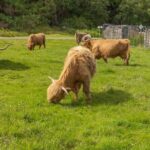
- Plockton after the Skye Bridge: Highland cattle and a bay setting with a surprising palm-tree vibe.
- A small private group up to 7: your driver can adjust plans if conditions change.
From Loch Ness out to Invermoriston Falls
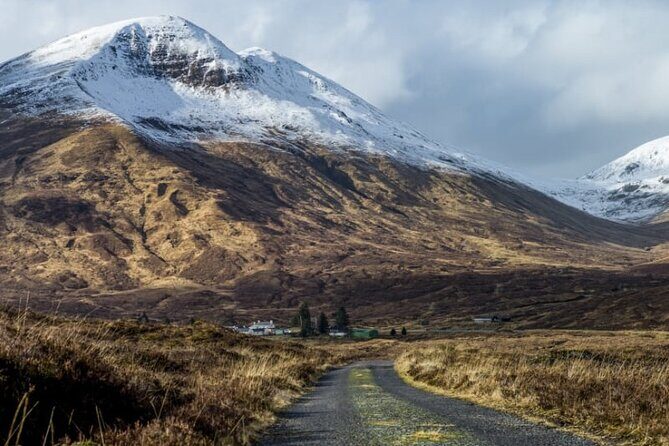
The day starts with a gentle drive along the north shore of Loch Ness. It’s the kind of opening that helps you get your bearings fast: you ease out of Inverness without immediately throwing yourself into nonstop driving.
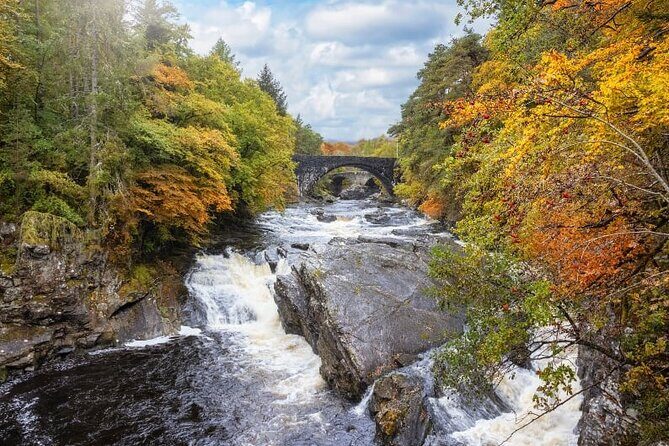
Then you stop at Invermoriston, where you can stretch your legs by the falls. The Invermoriston area is known for that wild upside-down waterfall effect, and it’s one of those scenes that looks silly in photos but lands in real life because you can see the water direction and speed for yourself. This is a short stop, but it’s a strong start—enough time to get feet on the ground and take a few calm minutes before the road starts climbing.
I like that the touring style here leans practical, not frantic. If you want scenic breathing room, this is built for it: quick walks, good photo angles, and enough time to reset before the next stretch.
If you're still narrowing it down, here are other tours in Inverness we've reviewed.
Clog and Craft in Invermoriston plus a quick Glen Shiel history hit
After Invermoriston, you get one of those stops that’s deliberately un-serious in the best way: the Clog and Craft shop. It’s basically your chance to buy something weird, local, and lightweight—plus it’s a convenient leg-stretcher before more driving. Even if you don’t buy anything, it’s an easy place to break up the day.
From there, the route keeps rolling along the lochs. You’ll pass Loch Cluanie and the surrounding hills that frame it with a distinctive feel. If you’re the type who likes a sit-down pause, there’s also an option to pop in for coffee at The Cluanie Inn—otherwise you continue on with the timing.
Next comes Glen Shiel, tied to the Battle of Glenshiel in 1719. This stop is brief, but the facts are punchy: it was fought between British government troops and an alliance of Jacobites and Spaniards, and it ended with a government victory. It’s also described as the last close engagement of British and foreign troops in Great Britain. In plain terms, you’re looking at a spot with real military weight, not just a pretty valley.
If you love history, even in small doses, you’ll appreciate how this tour doesn’t try to turn every stop into a lecture. It gives you a moment to learn the meaning of the place, then lets you keep moving toward the views.
Ratagan Pass viewpoint: a scenic detour that makes sense
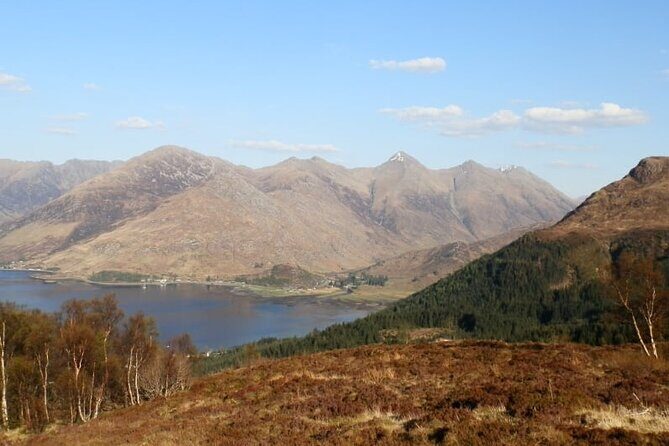
Ratagan Pass is where the drive starts to feel like a route designed for drivers who like scenery, not just destination-hopping. You’ll pull into a viewpoint near Mam Ratagan (also called Bealach Ratagain). This is a popular link between Shiel Bridge and Glenelg, and it also connects into the Glenelg–Kylerhea ferry service to Skye—so the road has always mattered.
Here’s the detail I love because it helps you understand what you’re seeing: this isn’t just a modern tourist road. It’s also described as the old road to Skye, following route patterns used by drovers and first built by Major Caulfeild as a military road to the barracks at Glenelg. That context makes the viewpoint feel less random. You’re standing where people once traveled for practical reasons—now the payoff is pure scenery.
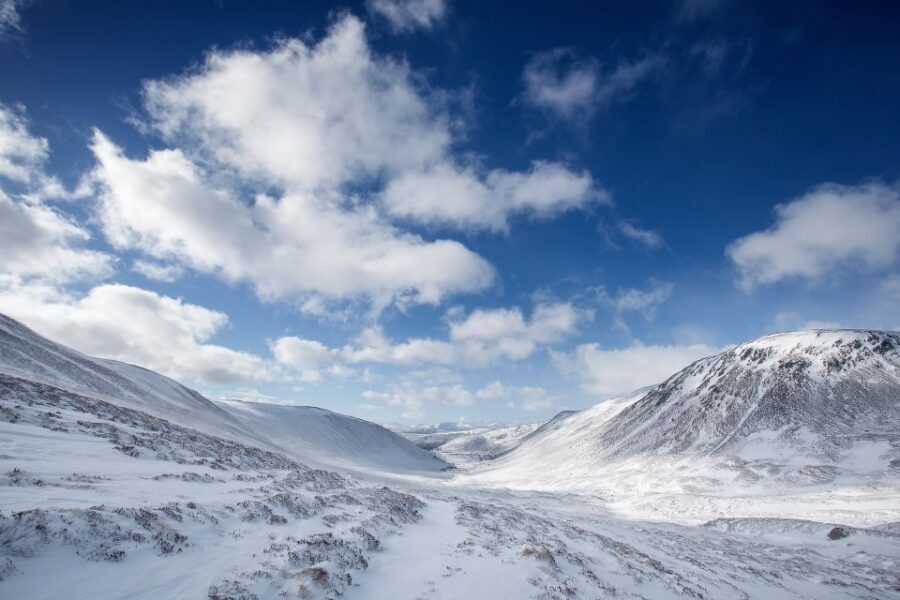
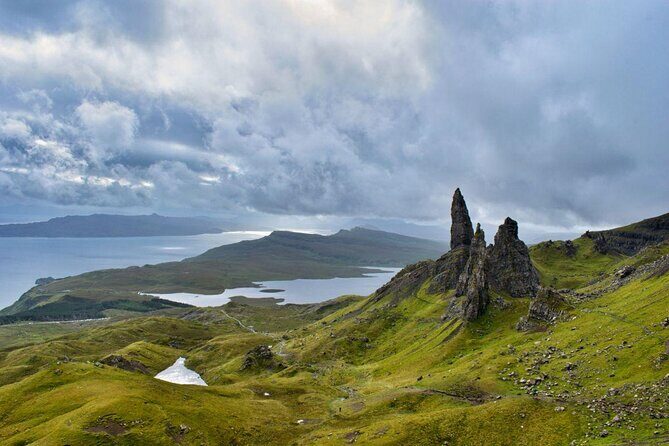
The Five Sisters of Kintail are the visual star in this area, and the viewpoint is framed specifically for them. In bad weather, you might get limited visibility, but if it’s clear you’ll likely feel why this is a regular stop on the “do it right” West Highlands route. Either way, the stop is long enough (about 30 minutes) to photograph and settle.
Glenelg brochs: Dun Telve and Dun Troddan up close
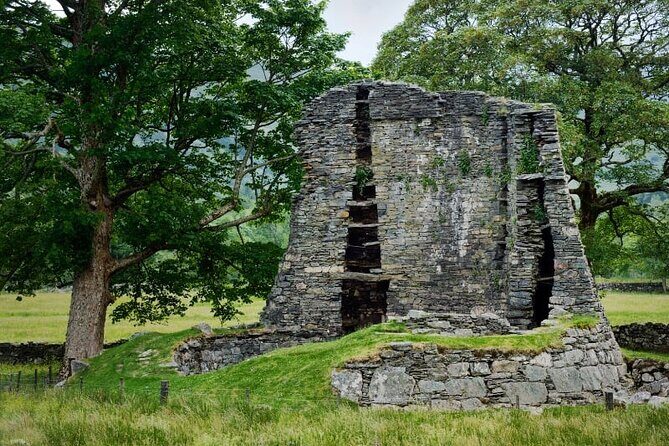
After the mountain views, you drop down toward Glenelg. This is where you get one of the day’s most satisfying “wow, I can see it” stops: the famous brochs at Glenelg—Dun Telve and Dun Troddan.
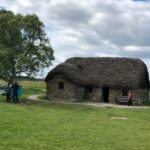
These are two 2,000-year-old tower structures in the valley of Gleann Beag, and what makes the stop genuinely easy to enjoy is that they’re unusually close together—about 500 meters apart. You’re not forced to pick just one. You can walk between them, compare the forms, and feel the scale of what’s left.
The state of preservation helps too. Dun Telve still stands to more than 10 meters in places, while Dun Troddan is shorter (about 7.6 meters) but is noted as better preserved. If you’re the type who likes to understand what you’re looking at quickly, this is a good stop because the differences are visible without needing specialist archaeology knowledge.
You’ll probably notice this tour’s sweet spot: it keeps history approachable. The time here is set to about 30 minutes, so you get enough to appreciate the brochs without losing the day to slow wandering.
The MV Glenachulish turntable ferry to Skye
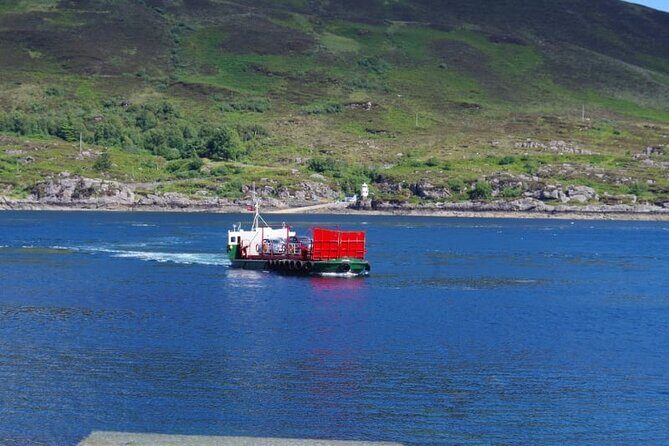
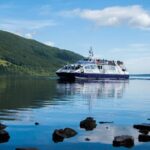
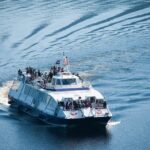
Then the day turns into a proper crossing, and this is the part that makes the tour feel different from ordinary “Skye in a car” outings. From Glenelg, you take a community-operated ferry across the sea to Skye.
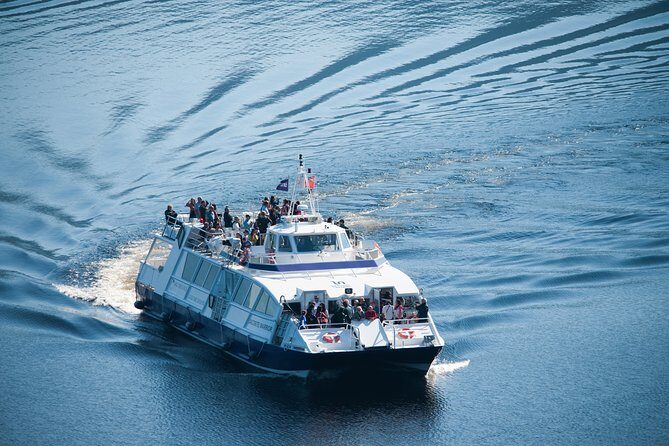
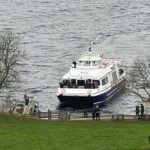
The star is the MV Glenachulish, described as the last surviving manually operated turntable ferry in the world. That wording matters. You’re not just riding a boat; you’re experiencing a mechanism that’s basically part of how the route has worked for a long time. The timetable window is about 30 minutes, which is enough time to get on, look around, and come off with that satisfied feeling of completion.
The route is also presented as close to the oldest purpose of the crossing: it notes that while a car ferry service across the Kylerhea straits has been in use since 1934, the Glenelg–Skye crossing has been in almost constant use for hundreds of years because it’s the closest point on the mainland to Skye. Translation: it’s not just scenic theater; it’s practical geography turned into tradition.
If weather is rough, the crossing can feel extra dramatic. If weather is calm, it can feel oddly peaceful—because you’re slowing down right when the day could have turned stressful.

Skye Bridge return and the Plockton surprise
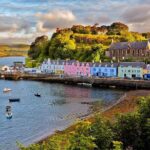
Once you’re back on Skye (after the ferry), you return over the Skye Bridge. Then you head for Plockton, which is often described as the Jewel of the Highlands. You’ll stop for about an hour—long enough for a proper wander if you feel like it, but short enough that the day stays on track.
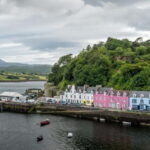
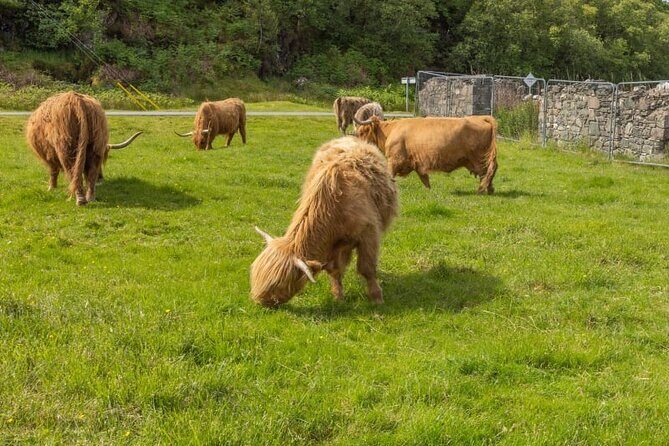
Plockton sits on a sheltered bay with views over Loch Carron. This is where the tour leans into contrast: you’re searching for Highland cattle and palm trees. That combo sounds like a joke until you’re there. It also helps you understand Plockton’s sheltered setting—one of the reasons it’s known for this surprising plant-life and for that postcard calm near the water.
This is also a good moment to regroup mentally after Skye. You’ve seen enough mountains and lochs; Plockton offers a softer ending. If you like having a bit of time at the end to collect yourself, this last stop is a smart choice.
The value math for a private group up to seven
Let’s talk money without hand-waving. The price is $1,032.20 per group for up to 7 people, and the tour runs about 9–10 hours. If you fill all seats, you’re looking at roughly $148 per person, which is often competitive for a full-day private vehicle—especially when you add the included ferry crossing.
What makes it better value than many “car + stops” tours is what’s already included:
- snacks and bottled water
- private transportation in an air-conditioned vehicle
- the Skye ferry crossing
- admission tickets are listed as free for the stops, with no extra entry fees noted
- mobile tickets and pickup offered
Also, since it’s private, you avoid the time drain that comes from waiting on other groups. That matters on routes like this, where the best moments often depend on weather and light.
One practical way to judge value: if your group is 3–4 people, it might feel like a splurge compared with shared tours. If you’re 6–7, it starts to feel like a smart way to buy comfort and time.
Who this tour suits best
This works well if you want a packed-but-pleasant day: big scenery, a couple of history moments, and one heritage experience that you’ll remember long after the photos fade. It’s also a good match if you like traveling with a driver who keeps the day stress-free and adjusts plans when weather shifts.
From the way the guide is described, you can expect a personal touch and good timing. Bill is specifically mentioned as prompt, with multiple plan options for weather patterns, plus a well paced day with good coffee and lunch breaks. If you’re the type who appreciates little course corrections so you don’t waste daylight, that’s a real advantage.
It’s less ideal if you hate car time or need long museum-style stops. Some stops are intentionally short (15 minutes for Glen Shiel and 30 minutes for key scenic viewpoints). You’ll get value, but you won’t get hours in one place.
A few practical tips before you go
Because you’re moving between coasts, passes, and ferry time, weather is a real factor. You might find you’re dressed for rain one moment and suddenly need layers for drier air. I’d plan on bringing a light waterproof layer and a warm top even in warmer months.
Also, bring comfy shoes. The walking is limited, but stops like Invermoriston Falls and the brochs at Glenelg still reward footwear that can handle uneven ground.
Finally, think about your expectations for food. You can pop in for coffee around Loch Cluanie, and the day is described as having good breaks for tea and coffee plus a lovely lunch. Still, timing is built around scenery stops, not a sit-down restaurant marathon—so if you want a very specific meal plan, be flexible.
Should you book Wild West Coast Adventure (Part 1)?
I’d book this if you want one day to cover the West Highlands flavor around Inverness, with a real Skye connection that isn’t only about driving over bridges. The standouts for me are the combination of Ratagan Pass + Five Sisters of Kintail, the Glenelg brochs, and then the MV Glenachulish ferry. Those elements stack into a day that feels like Scotland in slices: natural drama, ancient ruins, and a heritage crossing.
Skip it if your travel style is slow and quiet. If you want long museum time or you dislike tight stops, you may find the 15–30 minute windows a bit short.
If you can travel with a group of up to seven, the private-vehicle value gets strong fast, especially because the ferry is included and there are no extra entry fees listed for the stops.
FAQ
How long is the Wild West Coast Adventure (Part 1)?
It runs about 9 to 10 hours.
What is the price and maximum group size?
The price is $1,032.20 per group for up to 7 people.
Is pickup offered, and do I get a mobile ticket?
Pickup is offered, and you receive a mobile ticket.
Are there any additional entry fees at the stops?
No additional entry fees are listed for any of the destinations or attractions on this tour.
Is the Skye ferry included, and which ferry is it?
Yes. The tour includes the Glenelg ferry crossing to Skye on the MV Glenachulish, described as the last surviving manually operated turntable ferry in the world.
What’s the cancellation policy?
You can cancel for free up to 24 hours in advance for a full refund.
Are service animals allowed on this tour?
Yes, service animals are allowed.