REVIEW · INVERNESS
Scotland’s North Coast Online Roadtrip Travel Guide
Book on GetYourGuide →Operated by Uncover Britain · Bookable on GetYourGuide
Scottish cliffs meet a practical plan. This online North Coast road-trip guide maps out up to 500 miles across about 30 standout places, with ideas split into East Coast, North Coast, and West Coast sections. I like that it gives you ready-made context for where to go and how to combine stops, especially if you don’t want to piece everything together from scratch. I also like the pre-populated Google Maps pins and directions, which help you translate the guide into real driving days. The one real drawback: it’s self-guided, so there’s no live navigation and it doesn’t book anything for you.
At just $20 per group up to 7, the value is mostly in what you’re not doing: you’re not hunting for ideas, arguing over a route, or re-planning every time your schedule changes. You get 364 days of access, and it’s website-based, so you can plan at home or pull it up on your phone while you’re driving or parked.
One more thing to keep in mind: the guide itself can’t be customized, even though each section includes directions you can adjust inside Google Maps. If you want someone to handle logistics, this isn’t it, and you will need your own car and your own decision-making.
In This Review
- Key highlights that make this North Coast guide useful
- Why this North Coast guide works for real road trips
- Cost and value: $20 for a group up to seven
- East, North, and West Coast sections: how to use it without getting lost
- Building a route up to 500 miles without overcommitting
- Inverness, Moray Firth views, and a Highland base idea
- John o’Groats: the iconic northern tip day
- Optional Orkney: Neolithic sites and Skara Brae-style stops
- Castle days: Dunrobin, Castle of Mey, and Eilean Donan planning
- Whisky distilleries: tours and tastings that fit the drive
- Ullapool, Lochinver, and Applecross: fishing villages with real character
- Durness and Dunnet: rugged beaches and sea-view time
- Culloden Battlefield: history tied to the Jacobite Risings
- Self-guided reality check: what you handle and what the guide doesn’t do
- The people part: what the scores say about detail and clarity
- Who this guide suits best (and who should skip it)
- Quick decision help: should you book this North Coast guide?
- FAQ
- Is this a guided tour with a person?
- How long do I have access to the guide?
- Do I need an app to use it?
- Does it include live navigation?
- Will transport or car hire be arranged for me?
- Are entrance tickets or meals included?
- What kind of route does the guide cover?
- Can I include the Orkney Islands?
- What is the cancellation policy?
Key highlights that make this North Coast guide useful
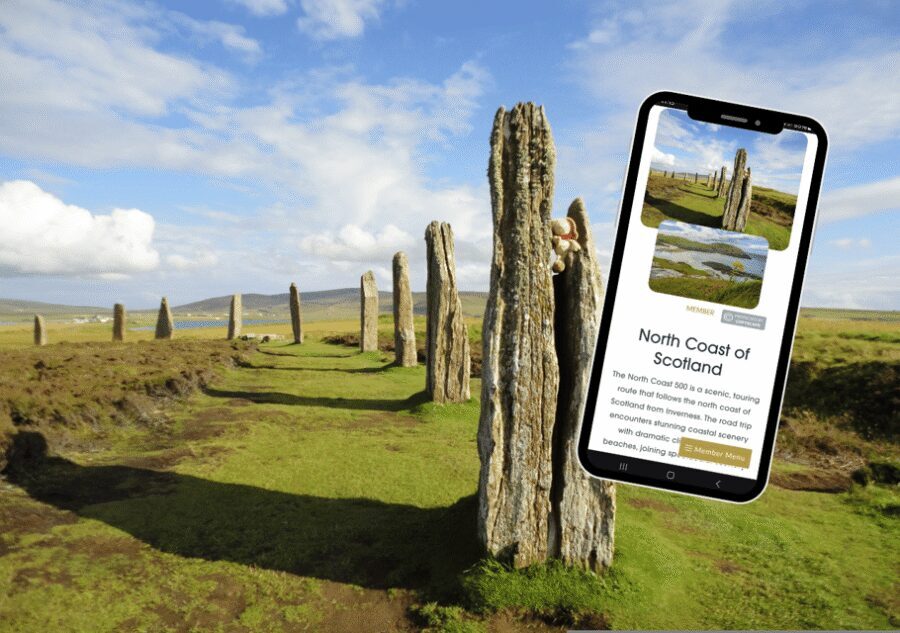
- Up to 500 miles and 30 destination ideas to build a trip without starting from zero
- East, North, and West Coast sections so you can cherry-pick what fits your time
- Sample itineraries for 3 to 14 days, showing how destinations can connect
- Pre-populated Google Maps pins plus section-level directions, so you spend less time guessing
- Planning support for how to get there and where to park, not just pretty place names
- A strong set of anchors like castles, whisky distilleries, Inverness, John O’Groats, and optional Orkney
Why this North Coast guide works for real road trips
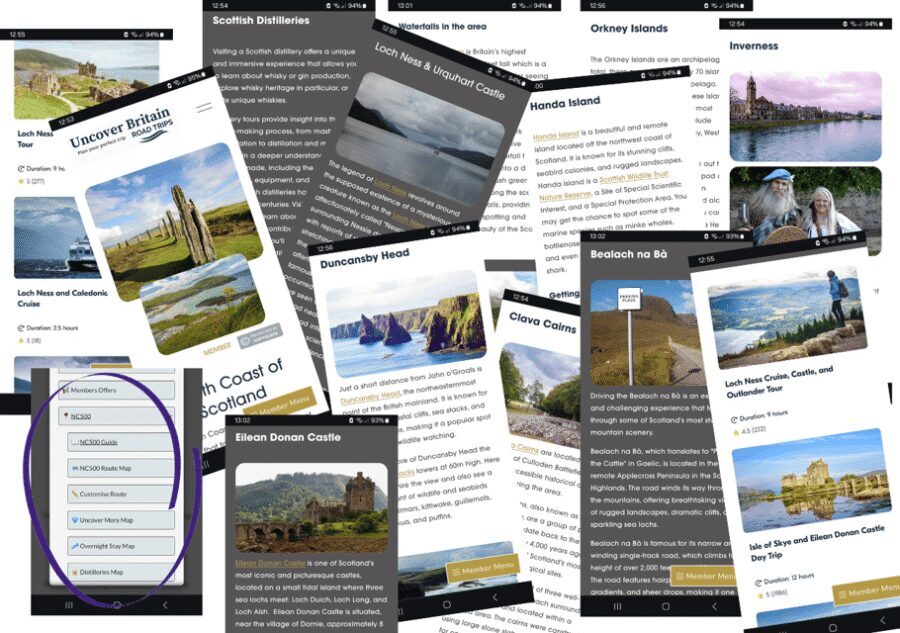
The North Coast of Scotland can feel like a choose-your-own-adventure in the best way. One day you’re looking for a good view, the next you want a castle stop, and the day after that you’re in wildlife-and-beach territory. This guide is designed for that kind of travel style because it’s built around flexible sections, not a fixed tour schedule.
What I like is the balance between structure and freedom. You’re not locked into one route. You get an overarching journey idea, plus themed ways to combine destinations into a multi-day plan. That matters because the North Coast is big, and road trips work best when you can adjust on the fly.
The other practical win is that it thinks like a driver. It isn’t just a list of sights. It includes planning tips such as how to get there and where to park, and each route comes with Google Maps pins and directions you can follow.
Other guided tours in Inverness
Cost and value: $20 for a group up to seven
This is one of those deals where the price tag is almost the least important part. You’re paying for a digital guidebook account for a full year of access, not for transportation or someone leading you around. Since it’s priced per group and allows up to seven people, it can work out very cheaply if you’re traveling with friends or family.
The best way to think about value here: you’re buying time and decision-making. Instead of spending hours comparing stops, parking, and sequence, the guide gives you a starting point with a logical travel arc across the North Coast.
If you’re traveling solo, it’s still worth considering if you know you’ll use it actively for planning. But if you only need one or two places and you’re already fully comfortable building routes in Google Maps, the difference between this and doing your own search might feel smaller.
East, North, and West Coast sections: how to use it without getting lost

The guide is organized into themed chunks: East Coast, North Coast, and West Coast. That’s a big deal because it prevents the common road-trip problem of “everything is on the same page,” which makes planning slower, not faster.
Here’s how I’d use the sections in a practical way:
- Start by picking the coast(s) that match your priorities.
- Choose a small group of anchors (castles, a whisky day, a beach/coast day, and one history stop).
- Add a few extras from the guide’s ideas for the days in between.
Because you can cherry-pick, you can make a shorter trip work too. The guide’s approach fits multi-day travel in the range of 3 to 14 days, which is a sweet spot for most North Coast road trips: long enough to feel like you got somewhere, short enough to avoid endless driving.
One caution: the guidebook itself can’t be customized. Your route flexibility is more about selecting which sections and destinations you’ll use, then adjusting directions inside Google Maps per section.
Building a route up to 500 miles without overcommitting
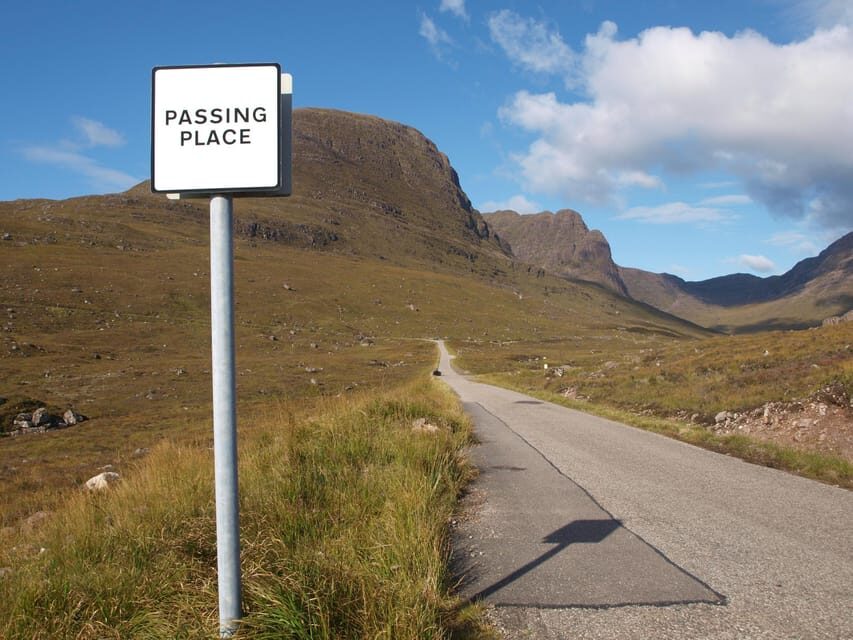
The headline promise is a road trip of up to 500 miles, built around about 30 key destinations. In real terms, that’s not just “a lot of driving.” It’s a way to ensure you don’t end up with a scattered list where every stop pulls you in a different direction.
Most people do best when they treat the route as a framework. Pick a start and end that match your car comfort and lodging style, then use the guide’s point-to-point route and sample itineraries as templates.
A practical trick: plan around “anchors,” not every single stop. This guide gives you strong anchor categories, including:
- castles
- whisky distilleries (tours and tastings)
- major iconic viewpoints and coastal stops
- a history stop connected to the Jacobite Risings
If you build your days around those categories, the rest of your itinerary can stay lighter and more spontaneous.
Inverness, Moray Firth views, and a Highland base idea
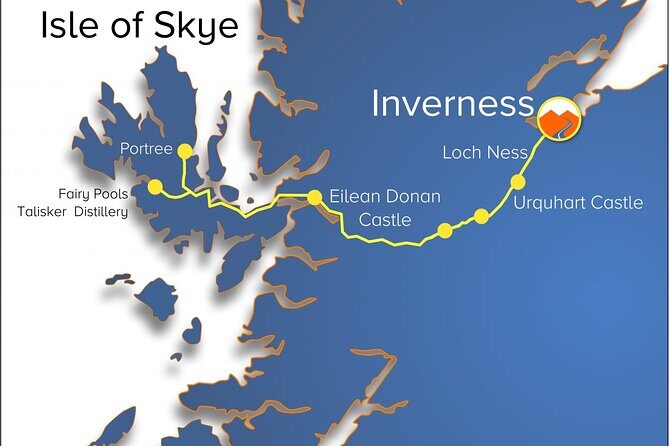
Inverness is one of those places that can function as a practical hub, and this guide treats it that way with Inverness as the Highlands capital plus views over the Moray Firth. You also get a built-in reason to stop: historic Inverness Castle.
Why it’s useful in a road trip plan: Inverness gives you a strong first-weekend feel without forcing you to rush. It’s also a logical bridge into other parts of the Highlands corridor, so you can shape your route based on how many days you have.
If you’re the kind of traveler who wants at least one “proper town” day for food and supplies between the wild coast stretches, Inverness is a smart anchor. The guide’s context helps you decide how much time to give it versus how quickly to head toward coastal icons.




John o’Groats: the iconic northern tip day
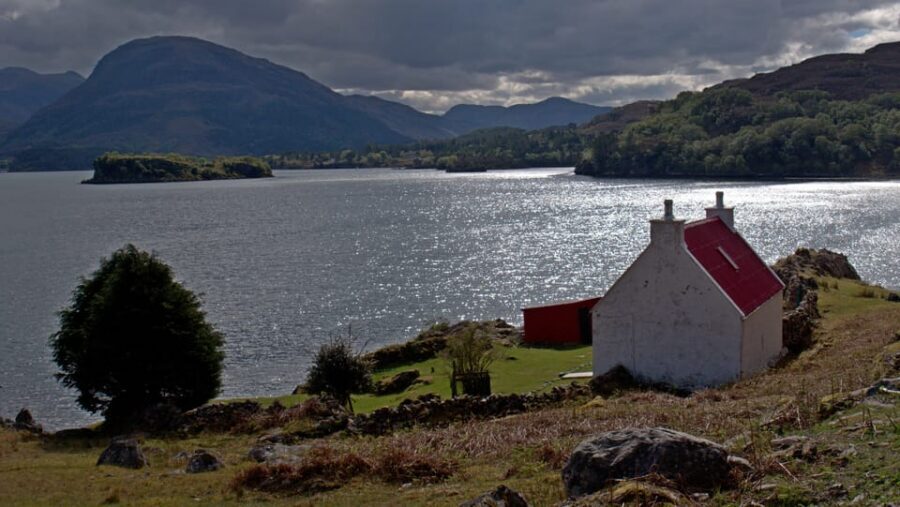
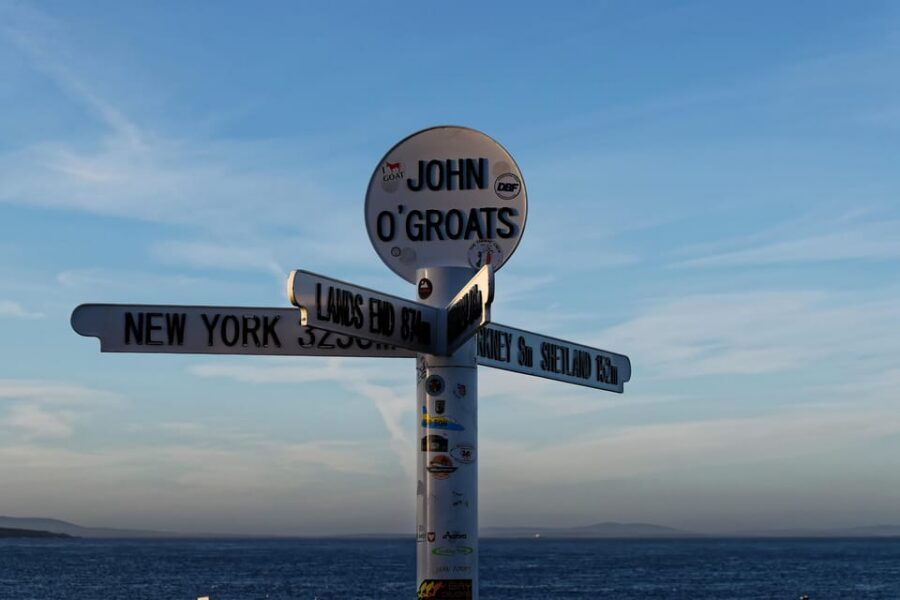
When people talk about the North Coast, John O’Groats is usually the name that comes up fast. This guide highlights it for dramatic cliffs and the famous signpost, which makes it a clear day-trip target if you want that sense of reaching the end of the road.
What I like about using John O’Groats in your itinerary: it’s a perfect “destination moment.” You can plan a full day around it and still keep the rest of your route flexible, because the day’s purpose is straightforward.
Possible consideration: because it’s a headline stop, you may want to plan extra time for weather and slower movement along cliffy coastal roads. The guide helps with “how to get there” and parking tips, which is exactly what you want for an iconic but changeable environment.
Optional Orkney: Neolithic sites and Skara Brae-style stops
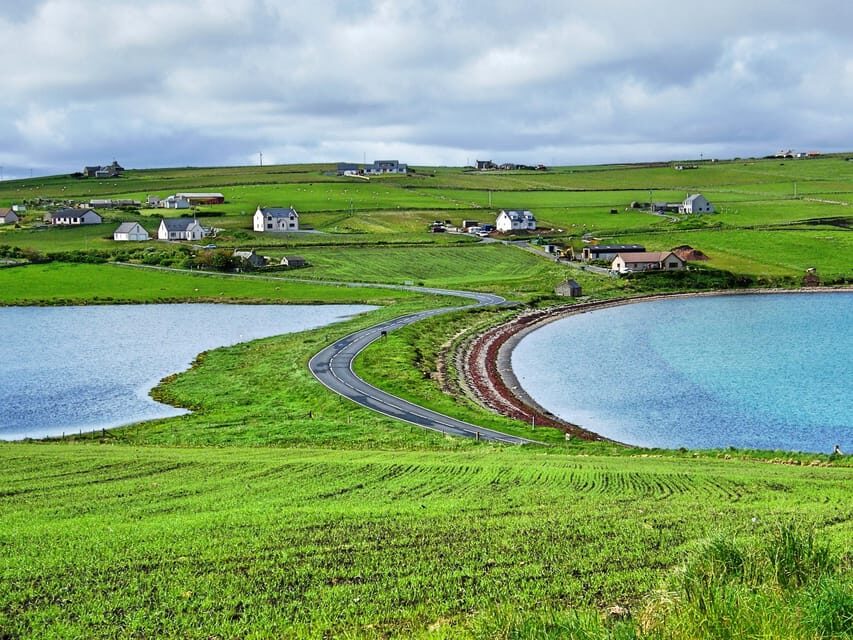
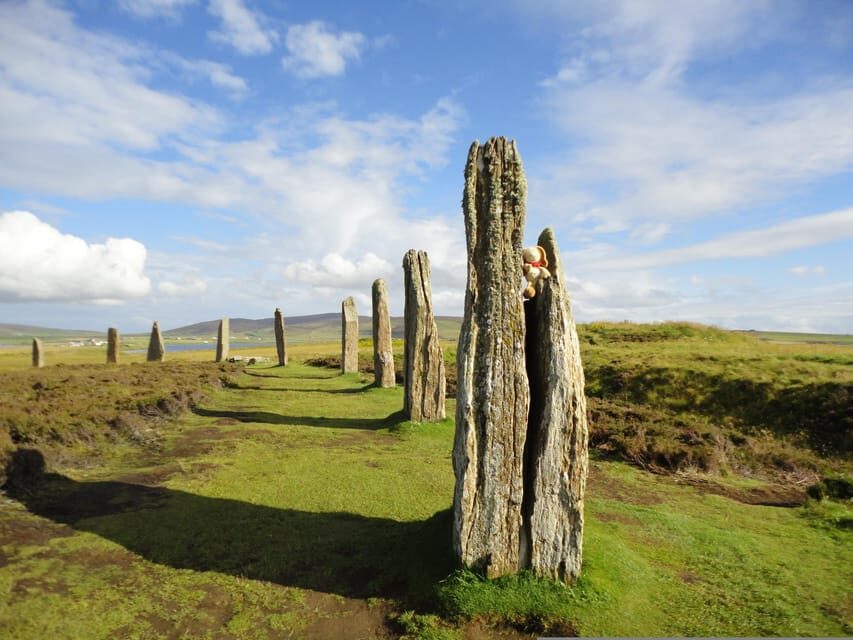
If you want to add something very different from mainland driving, Orkney Islands (optional) is where the guide gives you that option. It points out Neolithic sites, wildlife, and the ancient village of Skara Brae.
This is the kind of add-on that works best if you’re okay shifting your trip from pure driving to include a fuller day (or more) devoted to one specific area. Orkney can feel like its own mini-vacation, especially if your mainland route is only covering a few coasts.
The guide’s approach is good here because it doesn’t force Orkney on you. It’s clearly labeled as optional, so you can decide whether it matches your interests and your schedule.
Castle days: Dunrobin, Castle of Mey, and Eilean Donan planning
Castles are one of the best ways to build structure into a scenic driving trip. This guide emphasizes three: Dunrobin Castle, Castle of Mey, and the iconic Eilean Donan Castle.
Here’s the traveler logic I like: castles are scheduled-ish days. Even if you’re not timing every minute, they give you a natural center for planning meals, parking, and the flow of surrounding stops.
If you’re building a multi-day route, you can use castles as your “glue.” For example, you can group nearby coastal viewpoints or harbors on the same day, then keep the next day more open for beaches or wildlife.
One practical note: entrance tickets aren’t included. The guide will help you plan where to go, but you’ll still need to handle any attraction admissions yourself.
Whisky distilleries: tours and tastings that fit the drive
This guide doesn’t treat whisky as a vague idea. It specifically calls out whisky distilleries along the route for tastings and tours.
This can be a great fit because whisky days pair well with a road-trip rhythm. You can plan a morning or afternoon tasting when you want a break from pure coastal sightseeing, and then shift back to driving for sunsets and viewpoint time.
Also, because food and drinks aren’t included, you’ll be doing the usual road-trip budgeting anyway. Whisky tours just give that spending a clear reason and a focused activity slot.
Ullapool, Lochinver, and Applecross: fishing villages with real character
On the West Coast side of the plan, the guide spotlights Ullapool, Lochinver, and Applecross. It describes them as charming fishing villages and harbours, which is exactly the kind of change of pace that keeps a multi-day coastal trip from feeling repetitive.
I like this cluster because each stop can serve a slightly different purpose:
- one village day for wandering and photo breaks
- one harbor-focused day for slower pacing
- one day where you lean into viewpoints and coastal roads
Because this guide uses a coast-by-coast structure, you can decide how much of the West Coast you want. If you’re short on time, you can pick just one or two of these bases and still get the “West Coast vibe.”
Durness and Dunnet: rugged beaches and sea-view time
For dramatic northern coastal energy, the guide points to Durness & Dunnet, emphasizing rugged beauty with dramatic beaches and sea views. These are the places you plan when you want nature-forward time and don’t need a lot of additional scheduling.
This is also a good place to think about pacing. When your itinerary includes castles, towns, and distilleries, you’ll want at least one or two calmer “look, walk, breathe, photograph” days. Durness and Dunnet can do that job.
Practical consideration: beaches and cliffs can be weather-dependent. Since the guide doesn’t provide live navigation, you’ll be leaning on your phone and Google Maps while you’re out there, so plan for limited signal and keep your device charged.
Culloden Battlefield: history tied to the Jacobite Risings
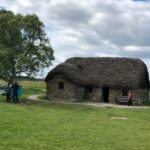
A road trip can get emotionally repetitive if it’s only views and stops. This guide adds a strong anchor with Culloden Battlefield, where you can learn about the Jacobite Risings and pivotal moments in Scottish history.
This kind of history stop works best when you treat it as a “reset day.” It gives you context for the Scotland you’re driving through, and it gives your trip a narrative arc beyond geology and coastline.
Because the guide is self-guided, you control pacing. You can spend a little time and move on, or you can slow down and read thoroughly. Just remember that entrance tickets to attractions aren’t included, so you’ll need to plan admissions on your own.
Self-guided reality check: what you handle and what the guide doesn’t do
This experience is built for people who want independence. There’s no tour guide, no meeting point, and you’re using your own vehicle. That’s freedom, but it also means you must do the logistics that a guided tour would handle.
Here’s what the guide does provide:
- a destination online guidebook
- a suggested point-to-point route
- sample itineraries to show what combinations look like
- practical tips like how to get there and where to park
- destination highlights and links that point you to more information
- pre-populated Google Maps pins and directions per route
And here’s what it does not provide:
- live navigation or custom routing inside the guide
- transport planning or booking
- accommodation or activity arrangements
- entrance tickets
- a guide on the ground
If you want someone to take charge, you’ll probably feel the absence of live routing and booking. If you like being in control and you’re comfortable steering your own plan, it’s a good match.
The people part: what the scores say about detail and clarity
The overall rating is solid, and the clearest pattern is that the guide’s detail and the tone of support matter. One high-score review specifically calls it very detailed and praises extra kindness, which fits with how you’d want a planning tool to behave when you’re figuring out a big region.
But there’s also a warning sign from the low-score experience: if you already know how to navigate with Google Maps, the guide can feel like it adds less than you hoped, especially if your preferred route resembles the default pins. The fix is simple: don’t treat this like a replacement for mapping. Treat it like a planning framework. Spend time selecting your destinations and sections first, then let the Maps pins help with execution.
Who this guide suits best (and who should skip it)
This is a good fit if you:
- want a North Coast road trip with structure but not rigidity
- like choosing your own stops instead of following one fixed itinerary
- have a group and want to share one digital planning account
- want a year-long planning window with website access and no app download
It may not be ideal if you:
- expect live navigation or guided help on the day
- want the guide to build a fully optimized custom route for you
- only care about a couple of famous spots and can plan those easily on your own
Quick decision help: should you book this North Coast guide?
Book it if you want a practical, flexible planning tool for a self-drive Scotland North Coast trip, and you like having a set of anchors such as Inverness, John O’Groats, Orkney (optional), castles, whisky distilleries, and a history stop at Culloden. At $20 per group up to seven, it can be a very low-cost way to reduce planning stress.
Skip it if you need someone to run the trip with live navigation, or if you’re already fully set on building your own route with Google Maps and don’t expect curated combinations to add much.
FAQ
Is this a guided tour with a person?
No. This is a self-guided experience, and there is no tour guide or in-person meeting.
How long do I have access to the guide?
Access is valid for 364 days from the first activation, with 12 months of access included.
Do I need an app to use it?
No app is needed. You access the guidebook via a website using a weblink after booking.
Does it include live navigation?
No. It does not provide live navigation, and the guide itself does not allow custom routing inside the guide.
Will transport or car hire be arranged for me?
No. Transport is not included. You’ll need your own vehicle.
Are entrance tickets or meals included?
No. Food, drinks, meals, and entrance tickets to attractions or activities are not included.
What kind of route does the guide cover?
It provides an itinerary that can cover up to 500 miles and includes ideas for 30 key destinations across East Coast, North Coast, and West Coast sections.
Can I include the Orkney Islands?
Yes, Orkney Islands are listed as optional, with ideas such as Neolithic sites and Skara Brae.
What is the cancellation policy?
Free cancellation is available if you cancel up to 24 hours in advance for a full refund.