REVIEW · INVERNESS
Slow Food Highland Dining and Storytelling in Inverness
Book on Viator →Bookable on Viator
Crab soup and stories in a real Inverness home. This Slow Food-style dinner brings you into the Highlands through a local’s kitchen, with seasonal Scottish dishes and conversation-driven storytelling. I like that it feels private and personal, not like a public event.
I also love how the meal is tied to the place it comes from. Karen focuses on home cooking, “forgotten” recipes you don’t usually see on restaurant menus, and the way culture shapes what gets put on the table. The result is food that tastes local, and explanations that make the flavors click.
One thing to plan for: wine and whisky pairings cost extra. If you’re hoping for alcohol included in the price, it won’t be, and you’ll want to confirm the options before you sit down.
In This Review
- Quick highlights
- Slow-food Highland dining in Inverness: what the meal feels like
- The kinds of dishes you should expect
- Foraging and seasonal sourcing
- The storytelling part: how culture changes what you taste
- What you learn without feeling lectured
- Conversation dynamics: a real small-group dinner
- Price and value in plain terms: what’s included and what’s not
- How to avoid a surprise bill
- Is it good value?
- Getting there and timing: making the 2 hours work
- What the small size means
- Mobile ticket and confirmation
- What to expect course by course (a realistic flow)
- Who should book this Inverness slow-food dinner
- Should you book it?
- FAQ
- How long is the Slow Food Highland Dining and Storytelling experience?
- Where does the experience start and end?
- Is dinner included in the price?
- Are wine or whisky pairings included?
- Is this a private experience?
- What is the maximum group size?
- What language is it offered in?
- Do you get a mobile ticket?
- Are service animals allowed?
- What’s the cancellation window?
Quick highlights
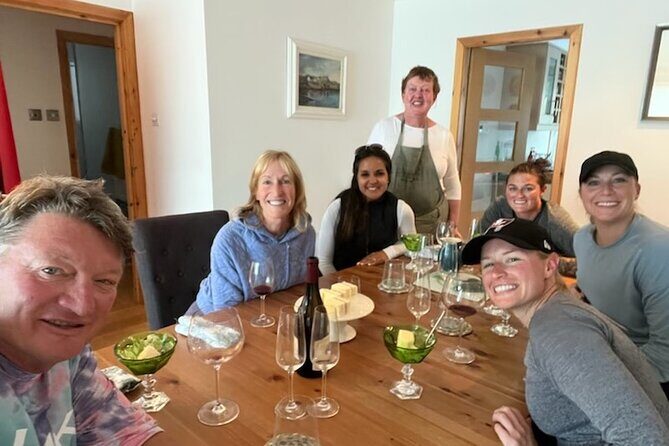
- Dinner at Karen’s home: You eat in a real living space, with small-group energy and a hearth-at-home feel.
- Seasonal Highlands cooking: Expect dishes that change with what’s available, plus comfort foods with local roots.
- Storytelling between courses: Karen connects ingredients and recipes to the culture that shaped them.
- Forgotten foods approach: The focus is on older family-style recipes, not just modern plating.
- Clear add-on choices for pairings: Wine/whisky flights are available, but they’re not part of the base dinner price.
- Small cap on group size: Up to 6 travelers, so the evening stays relaxed instead of chaotic.
Slow-food Highland dining in Inverness: what the meal feels like
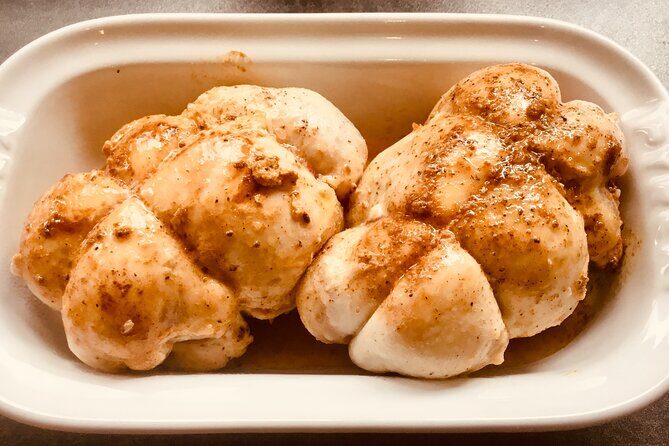
This is the kind of dinner where the point isn’t just eating. It’s slowing down. You’re in Inverness, but the cooking leans firmly Highland—rooted in what families made, what was practical, and what kept people fed through real seasons.
At the heart of the experience is home cooking. There’s no “chef trick” vibe. Think multi-course Scottish dishes, built around seasonal ingredients and familiar comfort flavors. You’ll see a starter and dessert called out in the sample menu, and in practice the night is usually paced like a full home meal.
Other Scottish Highlands tours we've reviewed in Inverness


The kinds of dishes you should expect
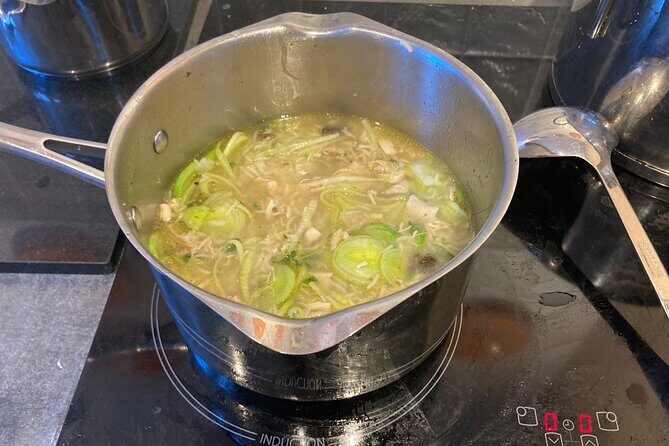
The sample starter is Partan Bree, a rich, creamy crab soup. Partan means crab, and bree means liquid—so even the names carry the idea: this is food meant to taste like itself, not like a puzzle.
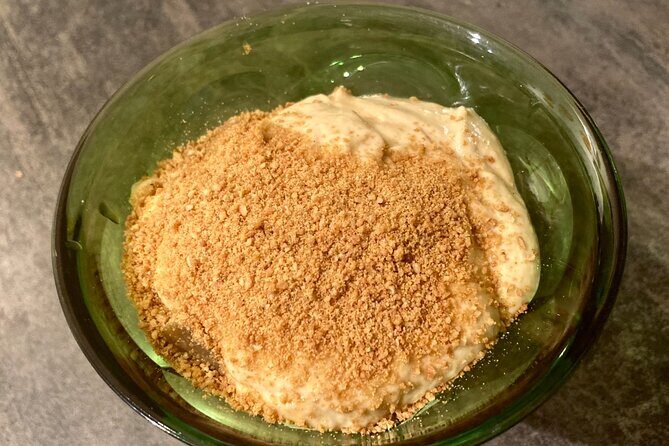
Dessert is Cranachan, often described as a top Scottish dessert. It’s made with cream, seasonal raspberries, Scottish honey, oatmeal, and whisky. If you like desserts that balance sweet with a slightly grown-up bite, this one tends to land well.
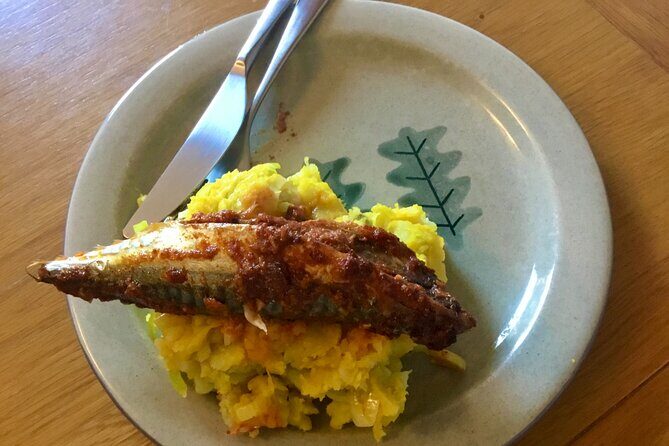
Based on what’s been served at this dinner style, you might also run into other classics such as haggis, fish and potatoes, and meats dressed with Highland berry flavors. The exact menu can shift with the season, but the theme stays steady: local ingredients, cooked in a straightforward, satisfying way.
Foraging and seasonal sourcing
One reason this dinner stands out is how ingredient sourcing shows up in the stories. Karen has been known to forage for ingredients like mushrooms and berries, which helps explain why the flavors feel specific to the time of year. It also reinforces the “slow food” idea: you don’t rush what you can gather and cook properly.
The storytelling part: how culture changes what you taste
A lot of dinners claim they have a story. This one actually builds around it. The premise is simple: local culture influences Scottish cuisine, and the recipes reflect history, family habits, and land-based food realities.
Karen is the name you’ll care about most. Multiple diners describe her as a warm, engaging host who connects what’s on the plate to where it came from and how it was used at home. The tone tends to be conversational, with bits of culinary context flowing naturally between courses.
What you learn without feeling lectured
Instead of long speeches, you get practical context. You’ll hear how “forgotten foods” fit into the broader Scottish food picture—recipes that show up in family cookbooks and everyday cooking traditions, not just high-end menus.
You also get the bigger idea: food is local history you can eat. When the story matches the ingredient, you taste more than flavor. You taste the logic behind the dish—why it exists, why it works, and why it would have been worth making again.
Other food & drink experiences in Inverness

Conversation dynamics: a real small-group dinner
Because this is hosted at home and driven by conversation, the evening can be different depending on group energy. One downside that shows up for some people is that the night may feel less storytelling if someone dominates the conversation or if the group chats nonstop. If you prefer quiet or structured pacing, go in with a flexible mindset.
Price and value in plain terms: what’s included and what’s not
The price is $103.07 per person for about 2 hours. Dinner is included. That’s the key value driver: you’re paying for the meal and the hosting.
Alcohol is where people can get surprised. Wine and whisky pairings are available, but not included in the base price. Pairings can be a big part of the experience—especially if you like the idea of matching flavors to each course—but you should treat them as an add-on you choose.
How to avoid a surprise bill
Here’s the practical move: if you care about wine or whisky pairings, ask what’s offered and what it costs before the first course. Pairing options can range in how much you want to spend. Getting that info up front keeps the experience smooth and stops money stress from creeping in mid-dinner.
Is it good value?
When it works, it’s excellent value because you’re getting:
- a full home-cooked dinner, not just one course
- storytelling, with genuine attention to why dishes matter
- small-group intimacy, capped at 6 travelers
- an emphasis on seasonal, local cooking
But value is personal. A few diners felt the experience didn’t match the money for their meal or atmosphere preferences. So if you’re picky about pacing, conversation style, or you strongly dislike any extra charges, do your homework before booking.
Getting there and timing: making the 2 hours work
You start at 9 Balnakyle Rd, Inverness IV2 4BS. The experience ends back at the meeting point. Private transportation isn’t included, so you’ll need to handle getting to Inverness and then to that address yourself.
The session runs around 2 hours. That’s plenty for a calm multi-course dinner, but it’s not a long evening. Plan your night so you’re not rushing to catch a bus, and don’t stack another “must-do” right after.
What the small size means
With a maximum of 6 travelers, the evening stays manageable. You’re not navigating a big room, and there’s more room for conversation. That’s the upside of this format. The trade-off is that the group dynamic matters more than it would in a larger restaurant setting.
Mobile ticket and confirmation
You’ll receive confirmation at booking, and you use a mobile ticket. Service animals are allowed, and the experience states that most travelers can participate. If you have mobility or dietary needs, send a message ahead of time—home dining works best when hosts have time to plan.
What to expect course by course (a realistic flow)
Even though exact dishes can vary, the structure of the night is consistent in feel: you move through courses that match the season and the Highlands theme, with Karen’s commentary woven in.
Here’s a realistic order of operations based on what’s been served and the sample menu items:
Welcome and first tastes
You settle in, get the vibe of the home, and start with the starter. Expect something like Partan Bree when that’s on the menu, or another seasonal first course if it’s a different day.
Main course that leans Highland
The middle of the meal usually brings the heavier, more comforting Scottish flavors—fish and potatoes, meats dressed with berry notes, or other traditional plates that fit the season. If you’re a fan of hearty cooking, this is where you’ll feel it.
Dessert with a Scottish signature
Then comes Cranachan when it’s on offer: cream, raspberries, honey, oatmeal, and whisky. Even if you don’t drink whisky, the flavor is part of the balance, not just an alcohol flex.
Stories woven between bites
Between each part, Karen ties food back to culture and family recipes. It’s not only what you eat. It’s why people ate it, where it fits in the Highland rhythm, and how ingredients connect to local life.
Who should book this Inverness slow-food dinner
This experience fits best if you want your Scotland to feel human and local—not staged. You’ll probably enjoy it if you like:
- Scottish home cooking and seasonal ingredients
- a dinner with real conversation
- learning how culture shapes food through straightforward storytelling
- smaller-group travel where you can actually talk to your host
It may not be ideal if you’re the type who wants:
- a silent, timed meal with no discussion
- alcohol included automatically
- a very rigid menu with no variation
If that sounds like you, you can still book. Just set expectations early, especially around pairings.
Should you book it?
Book this if you want a cozy, small-group Inverness dinner with seasonal Scottish food and storytelling that explains the connection between land, culture, and family cooking. The price makes sense when you treat it as dinner + hosting + culinary context, not just a plate of food.
Don’t book blindly if you dislike add-ons. If wine or whisky matters to you, ask about pairing availability and cost up front. Also, if you want maximum story time, bring the right expectations for a conversational home setting.
If you’re flexible, hungry for real Highlands flavor, and curious about how Scottish recipes carry local identity, this is exactly the sort of evening that turns into a trip memory.
FAQ
How long is the Slow Food Highland Dining and Storytelling experience?
It runs for about 2 hours.
Where does the experience start and end?
It starts at 9 Balnakyle Rd, Inverness IV2 4BS, UK, and ends back at the meeting point.
Is dinner included in the price?
Yes. Dinner is included.
Are wine or whisky pairings included?
No. Alcoholic beverages are not included. Wine and whisky pairings are available for an additional charge.
Is this a private experience?
Yes. It’s described as a private experience exclusively for your party.
What is the maximum group size?
The experience has a maximum of 6 travelers.
What language is it offered in?
It’s offered in English.
Do you get a mobile ticket?
Yes. A mobile ticket is included.
Are service animals allowed?
Yes, service animals are allowed.
What’s the cancellation window?
Free cancellation is available up to 24 hours in advance for a full refund.