REVIEW · INVERNESS
Full-Day Outlander Experience in the Scottish Highlands from Inverness
Book on Viator →Bookable on Viator
Outlander fans get a real Highland day. This full-day private trip from Inverness links Outlander book and TV-style settings to the real places where Scotland’s history still leaves marks on the stones. You’ll cover Culloden’s aftermath, spiritual sites like Clava Cairns, and clan power spots around Inverness.
I love the hotel pickup and round-trip transport because it kills the stress of driving a long day in changing Highland weather. I also love that the tour is private, so your guide can slow down for the parts you care about and speed through what you don’t.
One thing to weigh: it’s pricey per group (up to 3 people), and several major stops list separate admission tickets, so you’ll want a little cash/plan for entries like Culloden and Fort George.
In This Review
- Key Points That Make This Tour Worth Your Day
- Starting in Inverness: How You Avoid the Usual Highlands Chaos
- Private Vehicle + Live Commentary: What You Actually Get for Your Money
- Lord Lovat’s Inverness House: Where Clan Connections Start
- Old High St Stephen’s Church and the Culloden Aftermath: When History Gets Physical
- Culloden Battlefield Visitor Centre: The Place That Turns the Story into a Timeline
- Kings House Stables: A Short Stop With Heavy Meaning
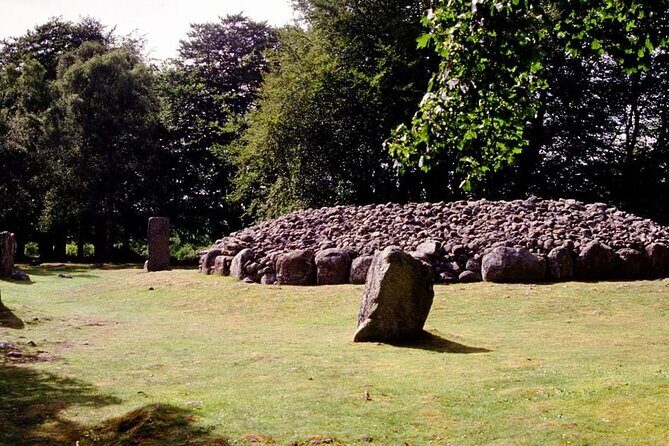
- Clava Cairns: The Ancient Stone Stop That Feels Personal
- Wardlaw Mausoleum: A Privileged Visit With Real-World Uncertainty
- Castle Leod and the Castle Leoch Feel: Old Stone, Real Clan Power
- Beauly Priory: Monks, Queens, and the Way Scotland Got Remodeled
- Fort George: Military History That Explains the Aftermath
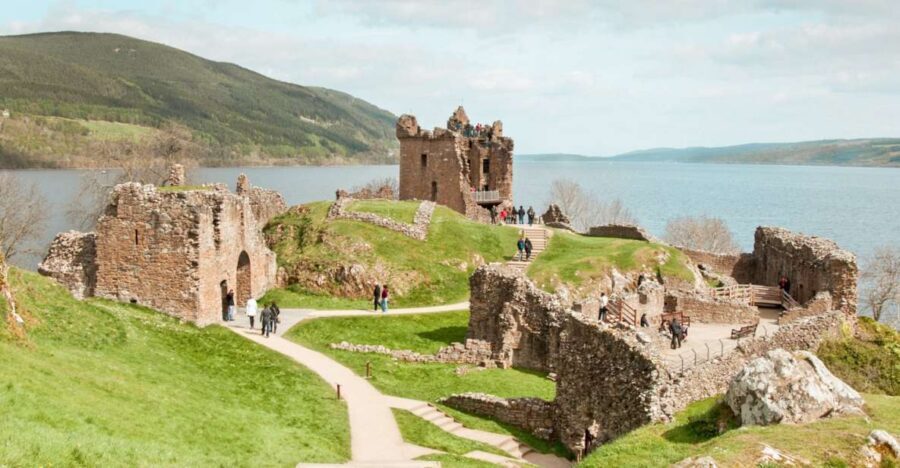
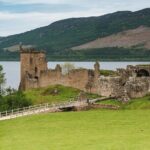
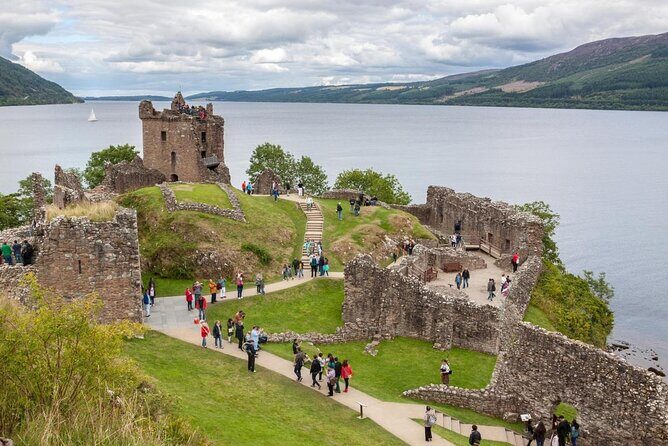
- Loch Ness and Urquhart Castle: The Day’s Most Scenic Reward
- Price and Value for a Private Tour Up to 3 People
- Who This Tour Fits Best
- Should You Book This Outlander Inverness Private Day?
Key Points That Make This Tour Worth Your Day
- Private pacing, up to 3 people: you won’t be squeezed into a cattle-car schedule.
- Culloden Battlefield time with the visitor centre: award-winning exhibits help the battlefield make sense fast.
- Clava Cairns for ancient stone fans: three cairns, standing stones, and the details Outlander fans zero in on.
- Castle Leod photo access: a special arrangement lets you drive in for pictures with the castle in view.
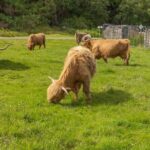
- A guide who adds real extras: based on past days, stops like Harry Gow bakery and close-up animals can appear.
- Weather-proof route: even in snow, guides have kept the day moving and adjusted on the fly.
Starting in Inverness: How You Avoid the Usual Highlands Chaos
Inverness is a smart launch pad. It’s not just a convenient city base. It’s also where a lot of the story of 18th-century Scotland turns from distant names into real streets, real churches, and real places you can still walk through.
This tour begins at 9:00 am, with pickup from your hotel or a nearby location and drop-off at your final destination. That matters. Highlands days can be long, and the last thing you want is to spend your energy figuring out parking, rental logistics, or bus timing.
Because it’s a private tour by private vehicle, you’re not stuck with what a bus driver can fit. If you want a little more time at one site or need to move a bit faster between stops, your guide has room to work with you.
Other Outlander filming-location tours we've reviewed in Inverness


Private Vehicle + Live Commentary: What You Actually Get for Your Money
The best value of this tour isn’t a single castle or stone circle. It’s how the day is run.
You’re getting:
- a driver/guide
- live commentary during the ride
- a private vehicle for the full day
- a mobile ticket
In plain terms: you buy fewer headaches and more meaning. The drive time isn’t wasted. Your guide turns travel time into story time, and that’s why people rate this experience so high. Past guides have also shown off personality when the group warmed up. For example, some days have included singing folk-style music, and others have included surprise practical stops like a bakery run for local sweets.
If you’ve ever visited Scotland and felt like the facts were separate from the emotions, this is the kind of day where your guide tries to tie them together—battlefield choices, clan conflicts, and the way everyday laws after 1746 changed what Highland life could look like.
Lord Lovat’s Inverness House: Where Clan Connections Start
The day begins in Inverness with a stop at the Town House of Lord Lovat, linked to Simon the Fox. The house dates to 1593 and is described as the oldest house in Inverness—one of those places where you can stand in the same general spot and feel how long people have been living with ambition, politics, and trouble.
For Outlander fans, the connection is personal and family-based: Lovat is framed as Jamie’s grandfather in the story world. In real life, Simon Lord Lovat is remembered as a colourful Highland figure and the subject of The Last Highlander.
Even if you’re not deep in the series, this is a good warm-up. It sets you up to understand why “clan” wasn’t just romantic scenery. It was power, loyalty, and risk—played out in houses, churches, and courtrooms.
Old High St Stephen’s Church and the Culloden Aftermath: When History Gets Physical
Next comes Old High St Stephen’s Church, and this is where the day stops being just scenery.
After Culloden, Jacobite prisoners were held in the church’s tower. The tour notes a brutal process: prisoners were blindfolded and executed one by one. Because it was civil war, it’s easy to imagine how nearby prisoners—wounded ones held across the river—could have heard or even witnessed what happened.
The truly eerie detail is visible: musket ball marks remain in the tower wall. That’s the kind of evidence you can’t get from a book.
This is a quick stop (listed around 10 minutes), but it’s a strong one. If you’re sensitive to violence or grim stories, give yourself a quiet moment before you move on.
Culloden Battlefield Visitor Centre: The Place That Turns the Story into a Timeline
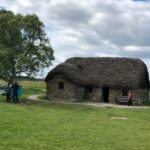
At Culloden Battlefield, you’ll spend about 1.5 hours, including time at the visitor centre, which is described as award-winning and worth the effort. This is the right move. Culloden isn’t just a big open field with a monument. It’s the endpoint of a way of life—and the visitor centre helps you understand why “the story” matters here.
The tour frames it as the last pitched battle fought on British soil. It also explains how the defeat of the clans marked the end of the Highland way of life as people knew it.
Then the long shadow shows up in policy and daily life:
- an Act of Proscription banned tartan, arms, Gaelic language, and bagpipes for 40 years
- the tour describes this as a form of ethnic cleansing, connected to the Duke of Cumberland, called Butcher Cumberland in the story of history
You’ll also find close marks tied to clans. The tour mentions the Fraser stone marking where men of the clan fell, near the central monument. Floral tributes are often around, which can make the place feel less like a museum and more like a living memorial.
Practical tip: wear shoes with solid grip. Culloden walks can be short, but the ground can be firm or muddy depending on weather.
Other Scottish Highlands tours we've reviewed in Inverness

Kings House Stables: A Short Stop With Heavy Meaning
Between the battlefield story and the drive onward, the tour includes a stop at the Kings House Stables. Here, Jacobite officers were rounded up, held overnight, and then shot in the field the next morning.
The tour also frames Jamie Fraser’s presence in the storyline context. Even if you treat that as fiction, the underlying historical action is the point: this was a system built to remove resistance fast.
This stop is brief in many full-day schedules, but it lands hard—because it turns “battle” into “what happened right after.”
Clava Cairns: The Ancient Stone Stop That Feels Personal
Then you hit Clava Cairns, a roughly 4,000-year-old burial ground with three cairns surrounded by rings of standing stones. This is the stop where your photos will look like the real magic of Scotland, not just the pretty version.
The tour also connects the stones to Outlander:
- fans link this area with the inspiration for Creag Na Dun
- it highlights specific stones: the tall stone at cairn one, and the butterfly stone at cairn three, which many Outlander bloggers use as a logo
The guide also mentions something you either love or you take with a grain of salt: lay lines and “energy conduits” believed to run from the stones to the cairns. Whether you treat that as spiritual truth or folklore, it affects the mood. People often behave more quietly here.
This is listed as about 40 minutes, so you can take your time without burning the whole day.
Wardlaw Mausoleum: A Privileged Visit With Real-World Uncertainty
The day also includes Wardlaw Mausoleum, the Fraser family burial place dating originally to 1634. You’re there for about 20 minutes, and the tour flags that it’s a privileged visit where you should keep decorum.
The mausoleum includes a coffin reputedly of Simon, Lord Lovat. But here’s why this stop is fascinating beyond Outlander:
- there’s controversy about the remains
- the tour references a forensic investigation by Dame Sue Black
- findings are described as suggesting remains that appear to be those of a headless woman around 30, not the person the legend expects
The tour notes that the custodian is seeking permission for exhumation and points you to follow updates through the mausoleum’s own channels.
So yes, you get the Outlander connection, but you also get something rarer: a reminder that history is often messy and evidence-based, not just myth-based.
Castle Leod and the Castle Leoch Feel: Old Stone, Real Clan Power
Next is Castle Leod, a 12th-century castle still tied to clan leadership today. The tour says it’s the home of the Earl of Cromartie, chief of clan MacKenzie—and that makes the Outlander connection feel less like fan service.
Here’s the practical upside: you’re allowed to drive into the grounds for a photo opportunity with the castle in the background. That’s the kind of access that turns a “stand outside and hope for a good angle” stop into a proper memory.
The tour also mentions that on special days (advertised by the castle), it may be possible to visit the castle and meet the Chief and maybe Lady MacKenzie.
There’s also a woodland walk in the grounds. The details you’ll care about:
- special trees
- including one planted by Diana Gabaldon, described as a patron and friend of the estate
If you’re an Outlander fan, this is where the story world overlaps with real landscape and real people. If you’re not a fan, it’s still a solid historic stop with a pleasant walk.
One note: admission isn’t included for this castle stop, so plan for that.
Beauly Priory: Monks, Queens, and the Way Scotland Got Remodeled
After the castles and stones, the tour moves to Beauly Priory, founded in 1230 by Valliscaulian monks from Dijon and by John Byset, a local landowner.
One of the most interesting bits for non-fans is how connected this is to national power. The tour says Mary Queen of Scots was brought up in France and betrothed to the Dauphin, and the priory is linked to her upbringing. It also includes a story about naming the town: “Beau Lieu,” described as meaning beautiful place.
For clan history, Beauly Priory also acts like a burial anchor. The tour notes that chiefs of Clan Fraser and Clan MacKenzie are buried here.
And yes, Outlander fans will find plot-shaped parallels:
- Claire receives advice from a female Gaelic seer while Jamie is wounded
- the story connection includes a departure for France on a schooner anchored in the Firth
- the tour frames Beauly Priory as a point in that emotional sequence
Finally, there’s the brutal government angle again. The tour says Oliver Cromwell sacked the priory, and stone was transported to Inverness to build the Citadel.
This stop is listed around 30 minutes and is one of the best “breather” moments—less battlefield shock, more long-time Scotland.
Fort George: Military History That Explains the Aftermath
Toward the end of the day you’ll reach Fort George. This is where the British government’s long-term plan becomes visible in stone.
The tour describes Fort George as built from 1746 after the ’45 Jacobite rebellion, costing £240,000 at the time. The point, as the tour frames it, is simple: a physical reminder that the British crown didn’t want another Highland army threatening its control.
Fort George remains active as home to the Black Watch Regiment.
The tour also mentions it replaced three fortresses destroyed by the Jacobites and that Fort George is named after the sons of King George (William, Augustus, and George).
For Outlander fans, the stop is linked to the idea of “Fort William” in the story world—where Jamie’s torture by Captain Jack is set in the series framing.
This stop is about 1 hour, and like other major sites, admission isn’t included.
Practical tip: forts can involve walking paths and uneven ground. If your legs run slow, tell your guide early so they can manage timing at each stop.
Loch Ness and Urquhart Castle: The Day’s Most Scenic Reward
The Highlands-only focus can make some tours feel like a series of “same mood” stops. This one balances the heavier parts with Loch Ness.
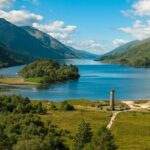
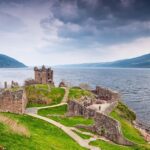
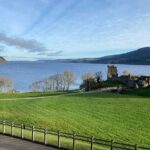
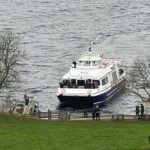
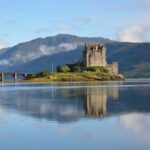
The tour summary includes a visit to Loch Ness, and the experience is commonly paired with Urquhart Castle. That combination works well because it changes the rhythm: you go from centuries of conflict and policy to water, view points, and castle-scale scenery.
Even if you’ve seen Ness postcards before, being there in person is different. The scale hits. And it gives you a visual bookend for the whole day.
If it’s foggy, don’t panic. Ness weather can be moody and still worth the stop. A private guide helps here too because they can choose where to position you for the best sight lines as conditions change.
Price and Value for a Private Tour Up to 3 People
The price is listed as $867.23 per group (up to 3 people). That’s not cheap, but it can be good value for the right group.
Here’s why:
- you’re paying for private transport and a driver/guide for about 8 hours
- hotel pickup and drop-off are included, which saves both time and money
- the day includes multiple major history sites around Inverness, not just one photo stop
- past days show guides who add thoughtful extras and adjust when the group wants more time somewhere
So think of it this way: if you’d otherwise hire a car and still pay for multiple entries and spend hours figuring out routing, this tour often becomes a simpler deal. If you’re a couple who wants the best chance of hitting every key stop without stress, it’s easier to justify.
If you’re a solo traveler, it can feel expensive per person. If that’s your case, check whether you can share the group cost with friends or family in the same booking.
Who This Tour Fits Best
This is a great fit if any of these are true:
- you’re an Outlander fan and want real-world location stops around Inverness
- you care about Culloden and the aftershocks of 1746, not just the romance version of Scotland
- you want a private day with flexibility instead of a rushed group circuit
- you want a guide who can talk story alongside straight history
It also works well for first-time Highlands visitors. The whole day centers on places that explain the region fast: clans, conflict, religious sites, and then the military response.
Should You Book This Outlander Inverness Private Day?
Book it if you want a single, high-impact day that ties Outlander connections to Scottish history you can actually see. It’s a smart choice when you only have a short window and you want pickup, transport, and tight guiding done in one shot.
Hold off or choose carefully if:
- you’re budget-first and want only one or two stops
- you don’t like heavy history themes like Culloden executions and forced cultural bans
- you dislike days with several admissions that may not be included in your ticket total
If you fall in the first group, this tour is one of those rare “do it once, do it right” days—especially if you’ll appreciate both the old stones and the hard, uncomfortable facts they’re connected to.