REVIEW · INVERNESS
Clan Tour – OUTLANDER series and Loch Ness
Book on Viator →Operated by Clan Tours · Bookable on Viator
Highland history and Outlander stops in one day. What makes this outing fun is the pickup-friendly route and how your guide ties each place to both Scottish events and Outlander moments. I also like that you get a small-group feel, so questions and photo stops don’t get shoved aside. One thing to keep in mind: two of the biggest sites (Urquhart Castle and Culloden Battlefield) have separate entrance fees, and you may not have time for everything inside unless you plan for it.
I’ve seen this style of tour work best when a guide can connect the dots without turning it into a lecture. Here, guides such as George Murray (and others noted as George) are praised for storytelling, humor, and making you feel un-rushed, even when the day runs long and you’re outdoors.
In This Review
- Key Things You’ll Notice on This Outlander and Loch Ness Tour
- Price and Logistics: What $213.59 Buys You (and What’s Extra)
- Pickup From Inverness-Area Stays: Why It Makes the Day Feel Easy
- Wardlaw Mausoleum: Clan History You Can Actually Picture
- Urquhart Castle Ruins: The Wars, Then the Jacobite Fallout
- Loch Ness: A Quick Nessie Moment With Big-Culture Atmosphere
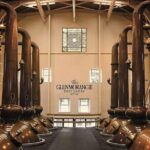
- Great Glen Distillery: Gin-Making That Connects to the Place
- Culloden House Hotel: Where You Feel the Stakes Before the Battle
- Clava Cairns: Bronze Age Stones With Outlander Echoes
- Culloden Battlefield: The Day’s Main Event (and the Tough One)
- How the Group Size Changes Everything
- What You Should Pack and How You’ll Feel After
- Who This Tour Is For (and Who Might Want Something Different)
- Should You Book Clan Tours for Outlander and Loch Ness?
Key Things You’ll Notice on This Outlander and Loch Ness Tour
- Small group size (max 8) helps the day feel personal, not like a bus tour
- Pickup from your Highland accommodation removes the biggest headache of visiting dispersed sites
- Outlander-linked stops at locations like Wardlaw Mausoleum, Clava Cairns, and Culloden area landmarks
- Loch Ness is a fast visit, so treat it as a short Nessie moment, not a full day of research
- Urquhart and Culloden Battlefield entrances are extra, so decide on entry when you’re there
- Guided photo breaks are built into the rhythm, which matters in windy, wet Highlands weather
Price and Logistics: What $213.59 Buys You (and What’s Extra)
At $213.59 per person, you’re paying for transport plus a guide who’s focused on making the sites understandable and fun. You also get bottled water and WiFi on board, which sounds small until you’re halfway through the day and grateful you didn’t have to juggle snacks and phone battery.
Then there are the two add-ons that matter most. Urquhart Castle and Culloden Battlefield both list separate admission fees (Urquhart at £14 per person, Culloden Battlefield at £12.00 per person). In plain terms: you can expect the day’s value to hinge on whether you want to go inside those sites versus viewing from outside and saving the extra cash. If you’re the type who hates missing interiors, budget those fees in advance.
Timing is also a value factor. This runs about 6 to 7 hours, starting at 9:00 am and ending back where you started. That means you’ll be trading a bit of free time for efficiency. Good news: the best part of this day is the drive-and-learn format, not rushing through checklists on your own.
Other Loch Ness tours we've reviewed in Inverness


Pickup From Inverness-Area Stays: Why It Makes the Day Feel Easy
The tour is built around hassle-free pickup from your Highland accommodation, which is a huge deal when you’re trying to see Inverness, Loch Ness, and the battlefield/cairns area in one go. Without pickup, you’d likely spend your morning lining up taxis or trying to piece together bus routes that don’t match a sightseeing schedule.
The van-and-guide approach also helps you keep your energy. Instead of spending mental effort on navigation, you can focus on the places you’re stopping at—then take photos when the view is worth it. Reviews repeatedly mention that the pace doesn’t feel rushed, which is exactly what you want on a day with wind, uneven ground, and outdoor walking.
Wardlaw Mausoleum: Clan History You Can Actually Picture
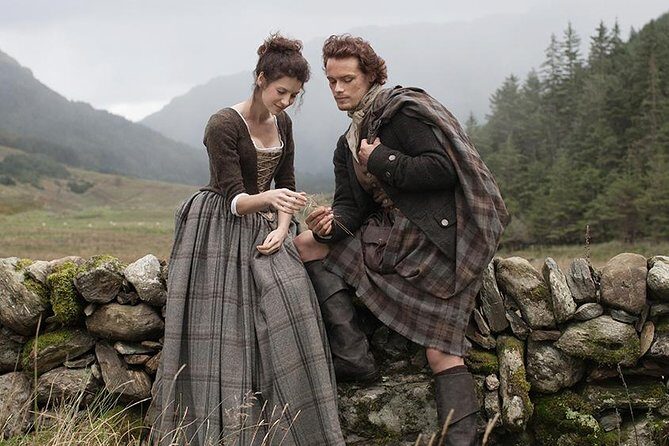
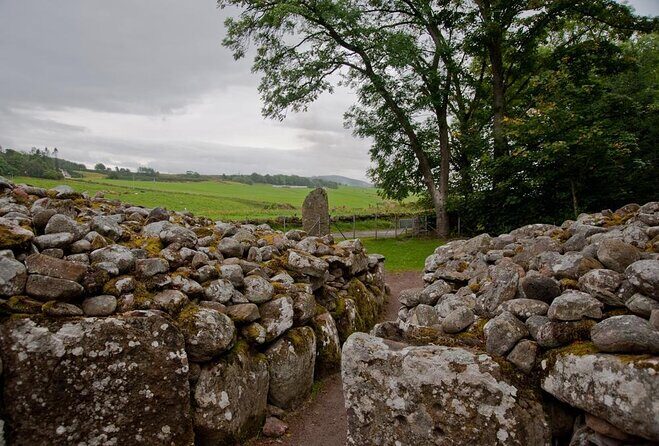
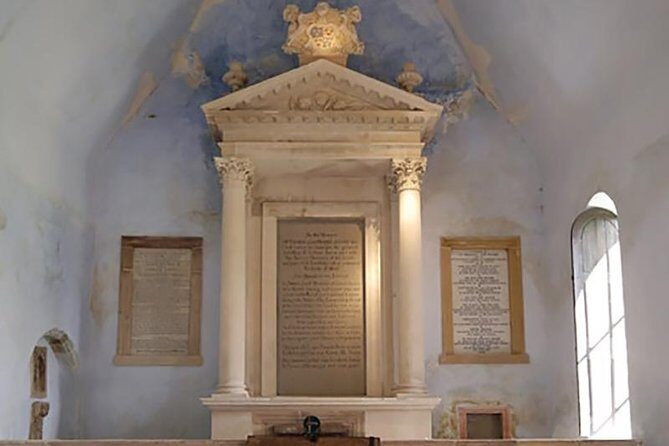
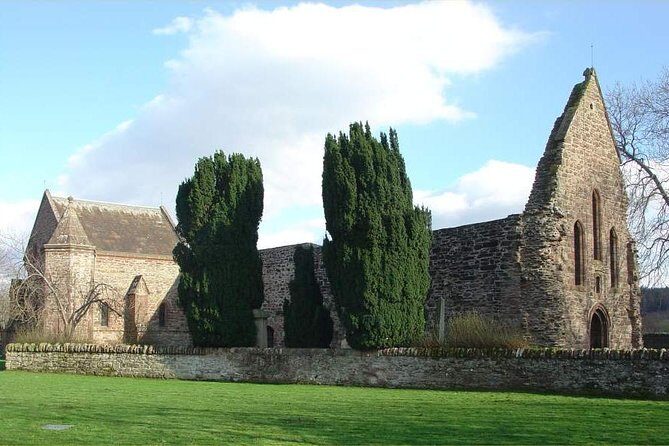
Your first stop is Wardlaw Mausoleum, built in 1634 as the burial place of the Frasers of Lovat. It’s a relatively quick stop (around 30 minutes), but that’s the point: you’re not just driving past a landmark; you’re learning what it’s tied to.
This is one of those locations where a short visit works because the guide can frame it. You’ll connect the idea of a clan and family legacy to a real structure—then you’re primed to read the rest of the day through that lens. Even if you’re not an Outlander superfan, this kind of context helps Scotland’s place-names stop being random.
Practical note: it’s outdoors in Highland air, so dress for weather rather than sunshine.
Urquhart Castle Ruins: The Wars, Then the Jacobite Fallout
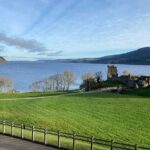
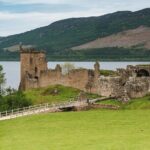
Urquhart Castle is where medieval Scotland turns dramatic fast. The site has a long timeline—500 years as a fortress—and it changed hands during the Wars of Independence, with Scots and English fighting for control. The power struggles didn’t stop there, either. Raids from the Lords of the Isles kept things tense into the 1500s.
Then comes the Jacobite-era endgame. When government troops left during the Jacobite Risings, they blew up the castle. Today, those iconic ruins are still there, letting you picture the scale of the place even if you’re standing among stones rather than walking rooms.
How much time you spend at Urquhart can vary based on the day’s flow because the entrance fee is not included. If you pay for entry, you’ll likely get more from the ruins. If you don’t, you’ll still get the photo views and the storytelling, but you may feel like you only skimmed the surface.
My advice: if Urquhart matters to your Scotland trip, plan to budget the entrance fee and wear shoes you don’t mind getting dusty or damp.
Loch Ness: A Quick Nessie Moment With Big-Culture Atmosphere
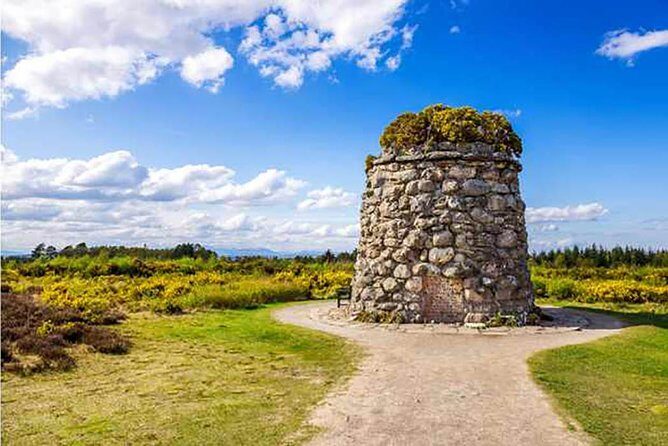
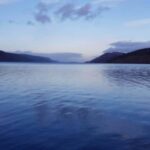
Loch Ness is a short stop on this kind of route (about 15 minutes listed), and that’s a choice. You’re not going to leave with a full report on Nessie biology. What you do get is the atmosphere—plus the chance to stand on the loch and let your imagination do the rest.
Over 1,100 recorded sightings are mentioned, which is part of why Nessie has become one of the world’s most persistent mysteries. The real value here isn’t evidence. It’s the way the loch sits in the landscape and how the guide keeps the story human—people seeing something, talking about it, and returning for another look.
If you’re hoping for maximum Nessie viewing, keep expectations grounded. This is a stop on the route, not a dedicated monster-hunting day.
Other Outlander filming-location tours we've reviewed in Inverness

Great Glen Distillery: Gin-Making That Connects to the Place
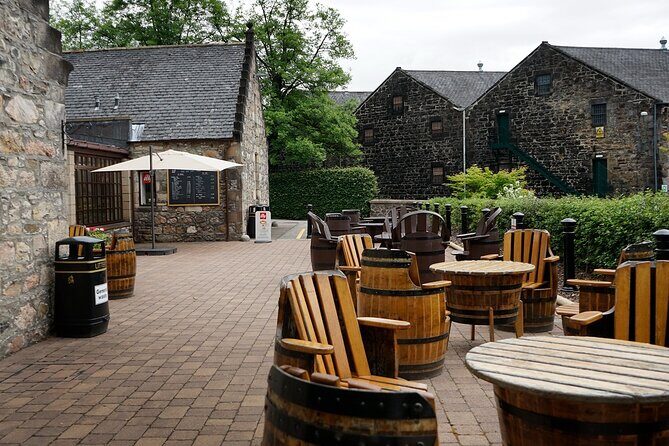
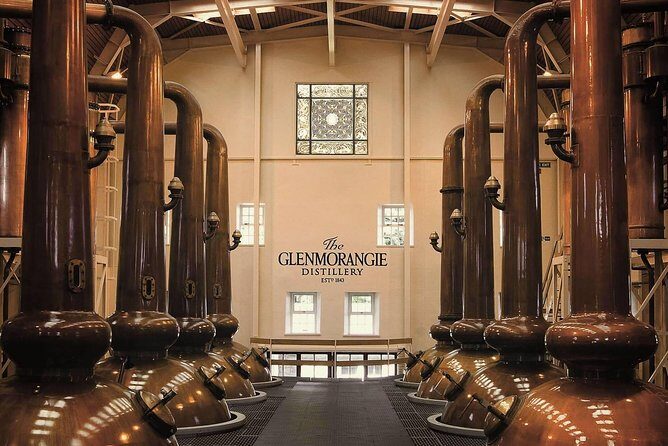
Next up is Great Glen Distillery in Drumnadrochit. This is the kind of stop that makes a Highlands day feel more current and local instead of trapped in the 1700s.
The distillery opened during the first lockdown period of 2020, founded by Daniel Campbell (a hotelier) and chef Adam Dwyer. They built it in Daniel’s late mother’s shop, drawing inspiration from the area. Their Great Glen Gin uses local botanicals and water sourced from Loch Ness, then it was released in July 2021.
It’s also tied to geology. The name Great Glen refers to the Great Glen fault line, created by glaciers more than 10,000 years ago. That’s a smart reminder that the Highlands aren’t just scenery—they’re a physical story.
The stop is listed at about 30 minutes, with admission noted as free. That said, one review described a day where the distillery stop felt unclear. So if Great Glen Distillery is a must for you, I’d suggest confirming it at pickup so you know you’ll be stopping there as planned.
Culloden House Hotel: Where You Feel the Stakes Before the Battle
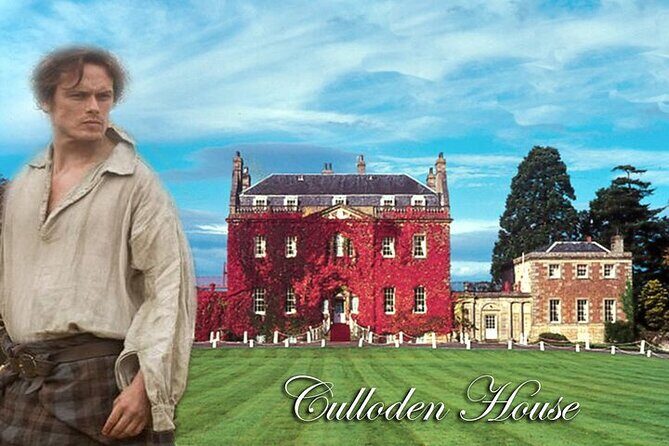
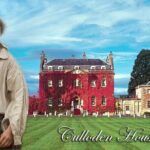
Before you get to the battlefield itself, you pass Culloden House Hotel. It began as a 16th century Jacobean castle, with portions dating to that era. Over time, different owners lived there—from King Robert II to a Macintosh clan chieftain.
In 1625, Duncan Forbes bought Culloden from the Macintosh Clan. Another vivid detail: Bonnie Prince Charles stayed here for three nights before the battle. Even if you don’t go in deeply, this stop gives you a sense of the human scale behind the political struggle.
It’s brief (around 15 minutes), which makes sense on a long route. The goal is to set the mood and provide names and context so Culloden Battlefield lands harder a bit later.
Clava Cairns: Bronze Age Stones With Outlander Echoes
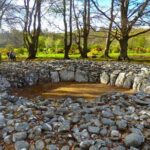
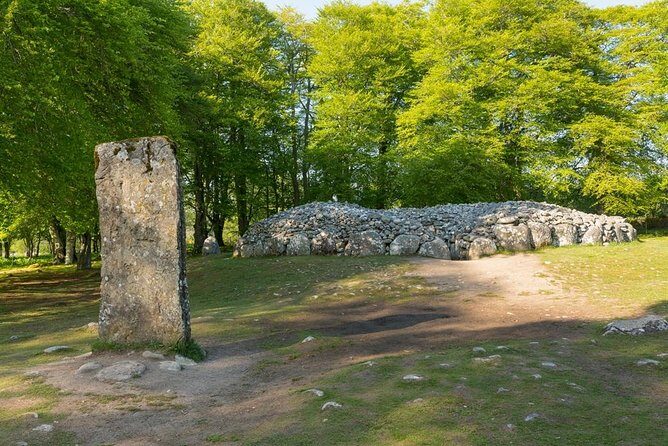
Clava Cairns are prehistoric burial cairns of Bulnuaran of Clava—three cairns that include passage graves, ring cairns, kerb cairns, and standing stones dating back around 4,000 years. This is the stop where the day shifts from medieval and Jacobite conflict to deep time.
What makes it especially interesting is the connection to popular culture. The largest standing stone is said to have inspired Diana Gabaldon’s Outlander novel, which then became the TV series. That link helps modern visitors grasp why the stones feel so story-worthy.
It’s about a 30-minute stop, which is ideal. You’ll have enough time to walk around, see the scale, and take pictures without spending your entire afternoon in the wind.
Culloden Battlefield: The Day’s Main Event (and the Tough One)
Culloden Battlefield is the emotional center of the whole outing. The battle took place on 16 April 1746, when the Jacobite army fought to reclaim the throne of Britain from the Hanoverians for a Stuart king. The fighting was brutal, and the consequences were personal—families divided, clan against clan.
The story doesn’t end at Culloden. It connects to the broader European struggle, and it moves into the aftermath of Bonnie Prince Charlie returning after developments far away in Derby (about 100 miles from London, per the account you’re given).
The battlefield stop is listed at around 2 hours, and admission is not included (typically listed as £12.00 per person). Dress warmly if it’s windy—this is Scotland, and exposed ground makes the weather feel sharp. One review specifically called out the wind and noted you should plan for it.
If you only do one stop with your full attention, make it Culloden. The history lesson here tends to stick because you’re standing in the actual place where it happened.
How the Group Size Changes Everything
This tour maxes out at 8 travelers, which is why people keep describing the experience as relaxed and personal. With fewer people, you get more direct interaction with the guide, and it’s easier to ask questions without feeling like you’re slowing down a packed schedule.
You also get a practical advantage: smaller groups navigate stops with more flexibility. When a guide senses you’re engaged—or when weather forces a quick plan adjustment—there’s room to adapt.
If you prefer a tour where you can ask real questions and take your time for photos, this size matters.
What You Should Pack and How You’ll Feel After
This is an outdoor day across multiple sites. Even when stops are short, you’ll be walking on uneven ground and spending time outside in cool, changeable weather.
I’d pack:
- Layers for wind and sudden chill
- Water-resistant shoes
- A light rain layer or umbrella (if it’s not too windy)
- A warm hat or something you can pull on quickly
Your feet and your hands will thank you. And yes, you may do more walking than you expect because places like cairns and battleground viewpoints are easier to explore when you’re not rushing.
Who This Tour Is For (and Who Might Want Something Different)
This tour makes the most sense if you want:
- Outlander locations tied to real Scottish history
- A guided day with minimal driving stress
- A manageable group size where you can ask questions
You’ll also like it if you’re traveling in Inverness and want Loch Ness plus major historic stops without spending your day planning logistics.
If you’re the kind of traveler who expects long indoor castle time every stop, you may find this format a bit more stop-and-snap than museum-deep. The entrance fees being extra is part of that reality. In that case, consider paying for entry at the sites that matter most to you, and treat the rest as context-building.
Should You Book Clan Tours for Outlander and Loch Ness?
Book it if you want a single, guided day that connects Wardlaw Mausoleum, Urquhart-area ruins, Loch Ness atmosphere, Clava Cairns, and Culloden into one story arc. It’s good value when you like learning with photos and you don’t want to manage transportation yourself.
Don’t book it if you want a fully unguided monster-hunting day at Loch Ness or you need lengthy, slow museum-style time at every site. Also consider that two key entrances cost extra, so if you’d rather skip paid entry, plan for what you’ll get from viewing outside.
If you’re an Outlander fan or a Scottish history fan, and you want a day that feels both efficient and human, this is one of the smarter ways to do Inverness and the Highlands in a limited timeframe.